
Silver-seed gourd
Cucurbita argyrosperma C. Huber
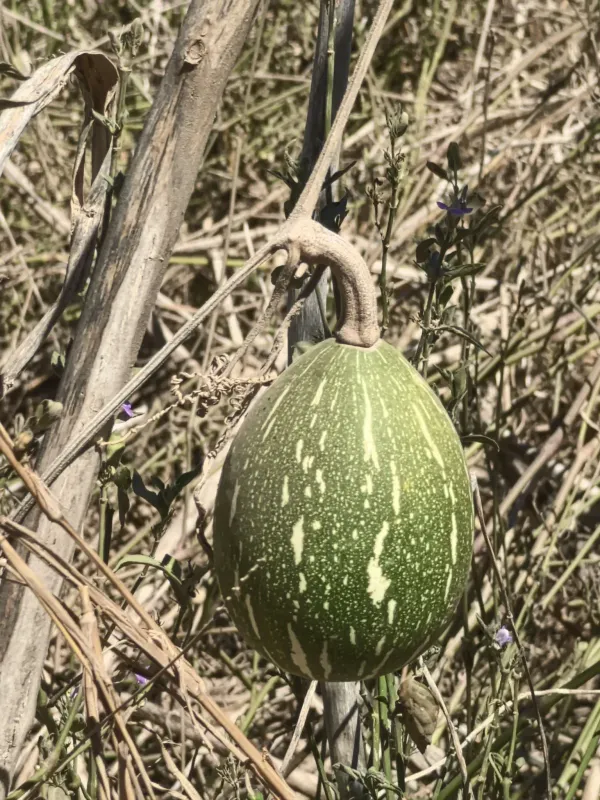
Description
Sowing dates
Planting of the silver-seed gourd should begin only when the soil temperature consistently reaches 15°C or higher. As a heat-loving crop, it is sensitive to cold soil, which can cause seeds to rot before germination.
The spacing between plants must be generous, usually requiring at least 1.5 meters between rows. This allows the long vines sufficient space to spread and ensures that each plant receives enough sunlight for photosynthesis.
Growing requirements
The silver-seed gourd is a member of the Cucurbitaceae family, native to the arid regions of Central America. It has evolved to survive in hot and dry climates, displaying high drought tolerance once the plants are established.
The crop thrives in well-drained, sandy loam soils with a balanced nutrient profile. While the plant can handle high temperatures, it requires deep watering during the fruit-set stage to support the development of large, high-quality seeds.
Exposure to direct sunlight is essential for the vegetative growth of this crop. Cloudy, humid conditions can hinder the development of the fruit and increase the risk of fungal infections within the dense vine structure.
Yield
The yield potential is quite high, particularly when focusing on seed production. The plant typically produces several large fruits that are prized for their thick shells and, most importantly, their unique, silver-coated seeds rich in protein and oils.
Main diseases and pests
Fungal pathogens such as powdery mildew and downy mildew are the primary concerns for this species. To manage these, it is recommended to maintain wide spacing and ensure that the foliage remains as dry as possible during the night.
Insect pests including squash bugs and aphids can cause significant damage to young seedlings. Regular monitoring of the underside of leaves and the base of the stems is crucial for early detection and effective control of these infestations.
Harvesting
Harvesting usually takes place in late autumn when the fruit skin becomes tough and the stem turns woody. Proper handling during harvest is necessary to prevent bruising, which could lead to decay during long-term storage of the gourds.