
Kale
Brassica oleracea L. (Palm Kale Group)
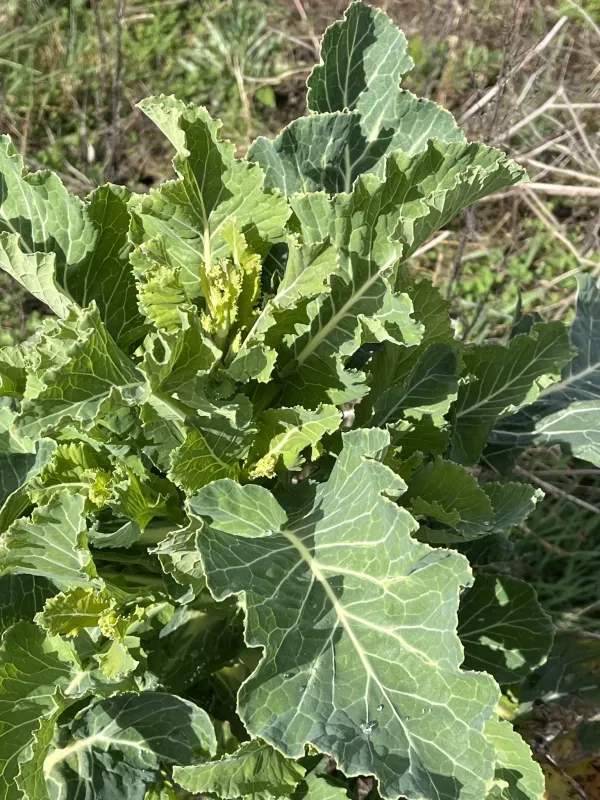
Description
Sowing dates
Kale is a hardy, cool-season crop that can be sown in early spring as soon as the soil is workable. For transplants, seeds are typically started indoors 4 to 6 weeks before the last expected frost date.
Direct sowing into the garden is possible once soil temperatures reach at least 10°C. Seeds should be planted about 1 to 1.5 cm deep in rows spaced 50 to 60 cm apart to ensure adequate room for growth.
A second sowing can be performed in mid-to-late summer for a fall and winter harvest. Kale seeds germinate relatively quickly, usually showing sprouts within 7 to 10 days under proper conditions.
Thinning is necessary if seedlings are too crowded, allowing each plant about 30 to 40 cm of space. This spacing is vital to promote air circulation and prevent the development of fungal diseases.
Hardening off indoor-grown seedlings before transplanting is crucial. Gradually exposing them to outdoor conditions over a week helps them withstand environmental stressors after being set out.
Growing requirements
As a member of the Brassicaceae family, kale thrives in well-drained, fertile soil rich in organic matter. A pH level between 6.0 and 7.0 is considered optimal for nutrient uptake.
Full sun is preferred, although kale can tolerate partial shade. In warmer climates, some afternoon shade can prevent the leaves from becoming bitter and tough during the peak of summer heat.
Consistent moisture is the key to high-quality leaves. Watering deeply at the base of the plant is recommended, as overhead watering can increase the risk of foliage diseases in damp conditions.
Kale benefits from nitrogen-rich fertilizer applications during the vegetative growth phase. However, excessive fertilization should be avoided as it may attract aphids and other pests.
This crop is famously frost-tolerant. It can withstand temperatures well below freezing, and exposure to frost often improves the flavor of the leaves by increasing the concentration of natural sugars.
Yield
Kale is known for its high productivity, with yields typically ranging from 2 to 4 kg per square meter per season. Yield depends on the variety and how frequently leaves are harvested.
The "cut-and-come-again" harvesting method is ideal for kale. By picking only the mature outer leaves and leaving the center intact, the plant continues to produce new foliage for several months.
The vegetation period until the first harvest is generally 55 to 90 days. Early varieties mature faster, while ornamental or palm-type varieties might require a longer growing season to reach maturity.
Proper soil fertility and regular weeding are essential for maximum yield. Competing weeds can significantly reduce the size of the leafy rosettes and overall harvest potential.
Yields can be maximized by ensuring optimal spacing and providing supplemental irrigation during dry periods, which keeps the plants in a continuous state of vegetative growth.
Main diseases and pests
Flea beetles are among the most common early-season pests, leaving small holes in the leaves. Using row covers during the seedling stage is a very effective way to protect young plants from damage.
Cabbage worms and loopers can cause severe defoliation. Regular inspection of the undersides of leaves for eggs and early-stage larvae is crucial for effective organic control.
Clubroot is a significant soil-borne disease that affects the root system and can stunt growth. Proper crop rotation is the primary defense against this persistent pathogen.
Downy mildew and Alternaria leaf spot are common fungal issues, especially in high-humidity areas. Improving ventilation by maintaining proper plant spacing helps mitigate these risks.
Slugs and snails can also damage leaves, particularly in damp or mulch-heavy environments. Managing these pests often requires a combination of trapping and maintaining a clean growing area.
Harvesting
Harvesting should begin when the leaves are the size of an adult's hand. It is best to harvest by picking the bottom leaves first, working your way up the stalk as the plant grows.
Always use a sharp knife or clean scissors to make a clean cut near the base of the stem. Avoid tearing the leaves, as this can damage the plant and expose it to potential pathogens.
Harvesting in the early morning ensures the leaves are crisp and hydrated. The quality of the greens is highest when they are collected at the peak of their freshness.
After harvest, kale should be washed, dried, and stored in a cool environment. It retains its freshness for up to 10 days when kept in a sealed bag in a refrigerator.
Kale is a versatile crop for the kitchen; continuous small harvests allow the gardener to have a steady supply of nutrient-dense greens for fresh consumption or culinary use.