
Mizuna-Tatsoi hybrid
hybrids between Brassica rapa L. subsp. nipposinica (L. H. Bailey) Hanelt and Brassica rapa L. subsp. narinosa (L. H. Bailey) Hanelt
Description
Sowing dates
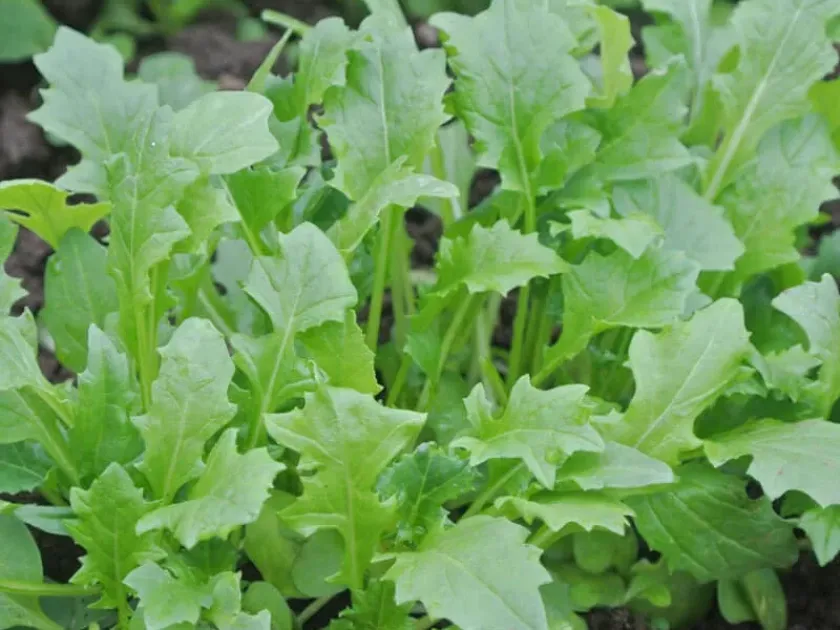
The Mizuna-Tatsoi hybrid is a fast-growing leafy green belonging to the Brassicaceae family. It combines the jagged, delicate leaves of mizuna with the thick, spoon-shaped, succulent leaves of tatsoi, offering a unique texture and flavor profile.
Sowing in open ground is ideal during the cool seasons of early spring and autumn. The hybrid is frost-hardy and can withstand light freezes, making it a reliable crop for gardeners who want to start their season early or extend it into late fall.
For high-density production, seeds are sown in rows spaced 20–30 cm apart. If harvesting as microgreens or baby leaf, seeds can be scattered densely across a tray or prepared bed without the need for thinning, allowing for a quick harvest cycle.
Regular successional sowing every two to three weeks is recommended to ensure a continuous supply of fresh, tender leaves. This approach prevents the plants from reaching full maturity and bolting, keeping the harvest quality consistently high.
In indoor environments or greenhouses, the hybrid thrives under bright light. Ensure adequate spacing to prevent legginess, which can occur if the plants are competing for light in crowded conditions during the shorter days of the year.
Growing requirements
This hybrid requires fertile, well-draining soil rich in organic matter to support its rapid growth. A slightly acidic to neutral pH level is optimal for nutrient uptake and overall plant health, minimizing the risk of physiological disorders.
Moisture management is essential; consistent soil moisture is required to keep the leaves tender and succulent. Drought stress, even for a short period, will trigger rapid bolting and cause the leaves to develop a bitter, unpleasant taste.
While the plant enjoys sunny locations, it can benefit from partial shade during the peak of summer. Excessive heat and direct sunlight increase the plant's metabolic rate, often leading to premature flower development and reduced leaf yield.
Regular applications of nitrogen-based fertilizers promote lush green growth. Organic compost or balanced liquid fertilizers are excellent choices for providing the necessary nutrients throughout the short vegetative growth cycle.
Good ventilation is vital, especially in greenhouses or high tunnels, to prevent humidity buildup. Poor airflow combined with high temperatures creates a perfect breeding ground for fungal pathogens and physiological stress.
Main diseases and pests
Flea beetles are the most common pest, capable of causing significant damage to the cotyledons and early true leaves. Utilizing insect netting covers is a highly effective, pesticide-free method to protect young seedlings from early infestations.
Downy mildew and other fungal diseases can occur if the foliage remains wet for extended periods. Promoting airflow through proper spacing and irrigation management remains the primary defense strategy for preventing these outbreaks.
Slugs and snails are particularly problematic in damp, cool conditions. Physical barriers, such as copper tape or crushed eggshells, can help deter these pests, though manual removal during early morning hours is often the most effective control.
Clubroot can be a serious issue if the soil is contaminated. Practicing a rigorous crop rotation plan, where brassicas are not planted in the same spot for at least three years, is essential to minimize soil-borne disease pressure.
Aphids may occasionally colonize the undersides of leaves, especially in warm, sheltered environments. If detected early, aphids can be controlled with insecticidal soaps or by introducing beneficial predatory insects into the growing area.
Harvesting
Harvesting usually begins 30 to 45 days after sowing, depending on the target leaf size. The leaves can be harvested at the baby leaf stage or allowed to grow into a full-sized rosette for a more substantial yield per plant.
The "cut-and-come-again" method is highly successful with this hybrid. By carefully harvesting only the outer leaves and leaving the central growing point intact, the plant can regenerate, allowing for multiple harvests over several weeks.
For the best quality, harvesting should take place in the early morning when the leaves are crisp and fully hydrated. The product should be chilled immediately after harvest to preserve its nutritional value and shelf life.
Post-harvest care involves keeping the leaves at a temperature between 0 and 2 degrees Celsius. Proper cooling significantly slows down respiration, preventing the leaves from wilting or yellowing before they reach the consumer.
Avoid excessive washing immediately before storage, as moisture on the leaves can lead to rapid decay. If washing is necessary, dry the leaves thoroughly using a salad spinner before packing them into breathable containers for storage.