
Hybrid of napa and bok choy
hybrids between Brassica rapa L. Emend. Metzg. ssp. pekinensis (Lour.) Hanelt and Brassica rapa L. Emend. Metzg. ssp. chinensis (L.) Hanelt
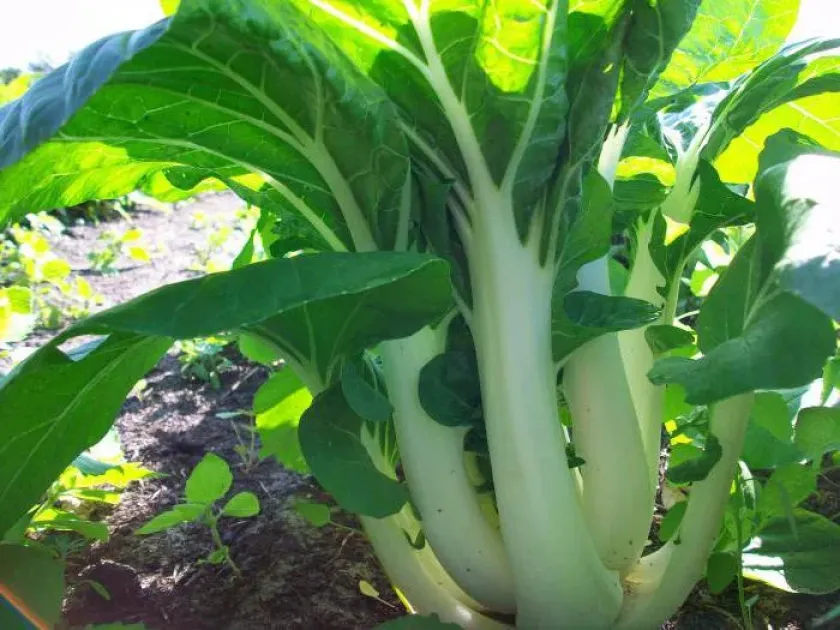
Description
Sowing dates
Cultivation of Brassica rapa hybrids is typically divided into spring and autumn sowing seasons to avoid the heat of mid-summer.
For spring crops, seeds are sown when soil temperatures reach at least 10°C, often using row covers to shield plants from cold snaps.
Autumn crops are planted in mid-to-late summer, allowing the plants to mature as day lengths begin to shorten, which helps prevent bolting.
Spacing is vital for these hybrids; a distance of 30–40 cm between plants ensures enough space for the head or rosette to form properly.
Transplanting seedlings is a common practice, provided that the plants are hardened off and not kept in trays for more than four weeks.
Growing requirements
This crop belongs to the Brassicaceae family and thrives in cool-to-moderate climates with consistent moisture availability throughout its lifecycle.
The ideal temperature for vegetative development is between 15°C and 22°C; temperatures consistently above 25°C may induce premature flowering.
Soil requirements include well-draining, nutrient-rich loamy soil with a neutral pH, as the hybrid is sensitive to both acidity and waterlogging.
These plants have a high requirement for nitrogen to support rapid foliage growth, followed by potassium to ensure structural integrity.
Light management is crucial, as the hybrid is a short-day plant that requires careful timing to optimize photosynthesis without triggering the bolting response.
Main diseases and pests
Flea beetles are the most frequent pests, capable of causing significant cosmetic and physiological damage to young, tender seedlings.
Root maggots can severely impact the plant's ability to absorb water and nutrients, often leading to sudden wilting and total collapse.
Common diseases include downy mildew and bacterial soft rot, both of which are exacerbated by high humidity and poor air circulation.
Integrated Pest Management (IPM) strategies, including crop rotation and the use of protective netting, are essential for successful production.
- Use of certified disease-free seeds
- Consistent moisture monitoring
- Prompt removal of infested plants
Harvesting
Harvesting usually begins 45 to 70 days after planting, depending on the specific hybrid characteristics and local weather conditions.
The crop is ready when the center rosette feels firm and the leaves have reached their typical size and succulence for the variety.
Harvesting should ideally be done in the early morning to minimize water loss and maintain the crisp texture of the foliage.
After harvest, the product should be kept in a cool, humid environment (near 0°C) to maximize shelf life and prevent wilting.
Care must be taken during packing to prevent bruising, as the tender leaves of these hybrids are highly susceptible to mechanical damage.