
Napa cabbage
Brassica rapa L. subsp. narinosa (L. H. Bailey) Hanelt
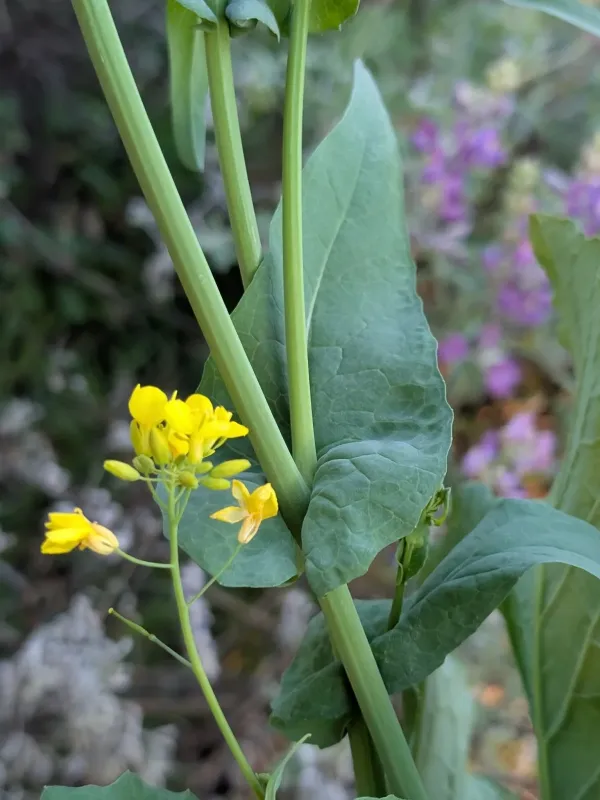
Description
Sowing dates
Napa cabbage is a long-day crop, so planting timing is critical to prevent premature bolting. In many regions, there are two primary planting seasons: early spring (April) and the second half of summer (late July to early August).
For spring planting, it is essential to choose bolt-resistant hybrids, as longer daylight hours trigger the plant's reproductive phase. Fall planting is generally considered more productive, as the decreasing day length favors healthy head formation.
Seeds can be sown directly into the soil or started as transplants. Starting indoors allows for a 2-3 week head start, which helps the young plants bypass the period of high susceptibility to flea beetles in the early stages.
Planting density depends on the variety's maturity: early varieties require about 25-30 cm of space, while later varieties need 40-50 cm. Seed depth should be 1-1.5 cm, ensuring consistent soil moisture for germination.
Crop rotation is mandatory. Napa cabbage should not be planted after other cruciferous crops like radishes or other cabbage types to avoid the buildup of soil-borne pathogens and pests.
Growing requirements
This crop belongs to the Brassicaceae family. It is a fast-growing plant that demands high soil fertility and consistent moisture levels. Its shallow root system makes it particularly sensitive to drought in the topsoil layer.
Napa cabbage thrives in light, well-structured loamy or sandy loam soils with a neutral pH (6.0-7.0). In acidic soils, the plants are highly susceptible to clubroot, making liming a necessary pre-planting step.
The optimal growth temperature is between 15-22°C. Temperatures above 25°C slow down growth, while prolonged exposure to temperatures below 10°C increases the risk of bolting, especially in non-resistant cultivars.
The plant requires stable hydration. Lack of water during the leaf rosette phase causes growth stagnation and poor quality. Conversely, excessive waterlogging can lead to root rot and the development of bacterial diseases.
Incorporating organic matter, such as compost or manure, during fall soil preparation, combined with timely nitrogen application during the active vegetative growth phase, produces the best results.
Yield
Yields for Napa cabbage depend heavily on the hybrid selection and adherence to cultivation standards. Under optimal conditions, a hectare can produce between 40 and 80 tons of marketable produce.
Intensive farming practices, including drip irrigation, allow for maintaining uniform moisture, which helps reduce plant stress during hot weather. Mulching can also significantly boost total yields.
The weight of a marketable head ranges from 0.5 to 2.5 kg. Early-maturing varieties form more compact heads, while mid-to-late season hybrids yield larger heads suitable for longer storage periods.
Controlling plant density is key to a successful harvest. Overcrowded plantings reduce airflow, which can increase the risk of fungal infections and lower the weight of individual heads.
Strategic micronutrient application, especially boron, is recommended to support proper head structure and prevent tipburn, ensuring higher quality and consistent weight at harvest.
Main diseases and pests
The most dangerous pest is the flea beetle, which can destroy young seedlings within days. Other significant pests include cabbage loopers, armyworms, slugs, and aphids, which feed on the sap of tender leaves.
Common diseases in Napa cabbage are often associated with poor moisture management or inadequate rotation. The most frequent issues include:
- Clubroot — causes galls on the roots and stunts growth.
- Bacterial soft rot — causes tissue decay with a foul odor.
- Downy mildew — appears as yellowish spots on the leaves.
- Tipburn — a physiological disorder caused by calcium deficiency.
To protect against pests, using floating row covers (agrofleece) during the early growth stages creates a physical barrier against insects without the need for intensive chemical applications.
Disease prevention relies on selecting resistant hybrids, maintaining weed-free fields (especially removing wild cruciferous weeds like shepherd's purse), and sterilizing tools to prevent spread.
An integrated pest management approach is best, utilizing chemicals only as a last resort while prioritizing cultural and biological control methods.
Harvesting
Harvesting should occur during dry weather. Heads are cut using a sharp knife at the base, just above the lower leaves. Avoid leaving the heads in the field for too long, as they lose juiciness and become prone to decay.
For fresh consumption, harvest when the heads are dense and fully formed. If storage is planned, prioritize late-season varieties that are bred to have better shelf life.
After harvesting, trim damaged or dirty outer leaves. For short-term storage, keep the crop in a cool, high-humidity environment.
Careful handling is required during transport to avoid bruising the tender leaves, as mechanical damage is a primary entry point for secondary rots.
Ideal storage conditions are around 0°C with 95% relative humidity. Under these conditions, high-quality heads can remain marketable for up to 2-3 months.