
Kale
Brassica oleracea L. convar. botrytis (L.) Alef. var. cymosa Duch. x Brassica oleracea L. var. sabellica L.
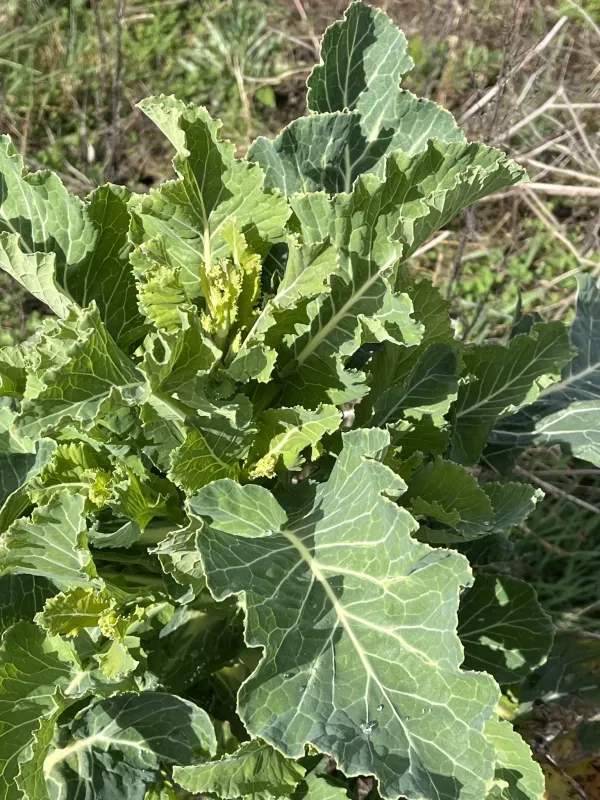
Description
Sowing dates
Kale belongs to the Brassicaceae family and is known for its remarkable adaptability. In temperate regions, seeds are sown in trays during March or April to produce transplants that are ready for field setting within 5 to 7 weeks of germination. Direct seeding into open ground is viable once soil temperatures reach 10–12°C, typically by early May.
For autumn harvests, seeds are sown directly into garden beds from late June through mid-July. Since kale prefers cooler growing conditions, timing the planting phase to avoid peak summer heat is crucial for developing high-quality, tender leaf rosettes.
Planting density is a key management factor, with recommended spacing of 40–50 cm between rows and 30–40 cm between individual plants. Maintaining this distance is vital for air circulation, which significantly reduces the risk of fungal pathogens in high-density plantings.
Seeds should be sown at a depth of 1–1.5 cm. Once plants develop 3–4 true leaves, they can be transplanted to their permanent location, provided they have undergone a hardening-off process outdoors for several days to acclimatize to environmental conditions.
The optimal germination temperature range is 18–20°C. Under these conditions, seedlings typically emerge within 5 to 10 days. Once established, slightly cooler temperatures are beneficial to prevent etiolation (stretching) and ensure sturdy plant development.
Growing requirements
Kale is a cold-hardy crop capable of surviving frosts down to -10–15°C, making it suitable for regions with harsh climates. While it thrives best at temperatures between 15°C and 20°C, growth slows significantly when temperatures exceed 25°C, and leaves may lose their desired tenderness.
Regarding soil, kale performs best in fertile loams or sandy loams with a pH level between 6.0 and 7.5. The crop has high nutritional demands, necessitating the incorporation of well-rotted compost or manure into the soil during autumn preparation to ensure optimal productivity.
Water requirements are significant: consistent moisture is essential to prevent leaves from becoming tough and to support the accumulation of essential vitamins. The soil should remain uniformly moist but well-drained, as waterlogging is a primary trigger for root rot and other systemic issues.
Exposure to full sunlight is ideal for vigorous growth, although the crop shows reasonable tolerance to partial shade. In areas with long photoperiods, kale accumulates vegetative mass rapidly; however, growers should monitor for potential heat stress in the root zone during peak summer days.
Essential field operations include regular weeding and hilling, which encourages secondary root formation and improves structural stability against lodging. Mulching is highly recommended to conserve soil moisture and effectively suppress the emergence of competing weeds.
Yield
Yield varies by variety and management intensity, generally ranging from 2 to 4 kg of leafy greens per square meter per season. Implementing a "cut-and-come-again" harvesting method, where only mature outer leaves are removed, stimulates the central rosette to produce new foliage continuously.
Intensive greenhouse production or optimized fertilization programs can boost yields by 20–30%. The primary goal of the agronomist is to maintain constant vegetative vigor by systematically harvesting older, overgrown leaves that would otherwise inhibit new growth.
Kale is widely regarded as a premium agricultural product due to its dense concentration of antioxidants, vitamins B, C, K, and essential minerals. Beyond fresh market use, there is growing industrial demand for processed kale, including dehydrated powders for the health food and fitness supplement sectors.
The productive season extends until sustained freezing temperatures occur. Interestingly, light frosts often enhance the flavor profile by increasing the concentration of soluble sugars, making late-autumn harvested kale particularly prized for its sweetness.
Commercial operations prioritize mechanized harvesting techniques, which may involve harvesting the entire plant or segmented picking cycles. Given its status as a "superfood," kale remains a highly profitable crop even in diversified small-scale farming systems.
Main diseases and pests
Crucifer flea beetles are the most significant early-stage threat, as they chew distinct shot-holes in seedlings and young leaves. Furthermore, cabbage white butterfly larvae and cabbage loopers can cause substantial defoliation if populations are left unchecked.
Clubroot is a widespread and serious soil-borne disease affecting the roots and causing severe plant stunting. Strict crop rotation is the only effective preventative measure; kale should not be planted in the same soil for at least 3–4 years to interrupt the pathogen's life cycle.
Powdery mildew frequently develops during periods of high humidity and fluctuating temperatures. A white, dusty coating on the leaves hampers photosynthesis, necessitating timely interventions with biological control agents and maintaining optimal plant spacing to promote air movement.
Slugs and snails can cause significant damage during wet weather by consuming leaf margins. Utilizing physical barriers, wood ash, or selective traps allows for effective management without the need for intensive chemical applications, aligning with organic production standards.
Aphid colonies frequently establish themselves on the underside of leaves, causing sap depletion and leaf curling. Management strategies include the use of insecticidal soaps, neem-based sprays, or the encouragement of beneficial predator insects to ensure the harvest remains free of pests.
Harvesting
Harvesting usually commences 60 to 90 days after sowing, once a well-developed rosette of leaves has formed. The procedure involves removing individual large leaves from the base of the plant upward, ensuring the terminal bud remains intact to allow for subsequent growth cycles.
To maximize post-harvest shelf life and freshness, harvesting should be performed early in the morning when plants are fully turgid. Once picked, the leaves should be rapidly cooled to 0–2°C to minimize respiration rates and prevent nutrient loss during transport.
Due to its short shelf life in fresh form, high-volume producers often employ blast freezing or dehydration. Frozen kale retains its nutritional integrity and texture exceptionally well, remaining viable for consumption for 6–8 months in storage.
For long-distance transit, leaves should be packed in perforated film bags to maintain proper humidity while allowing for gas exchange. Keeping the product out of direct sunlight is mandatory to prevent yellowing and chlorophyll degradation.
Final harvest occurs when winter conditions become too severe for vegetative growth. At this stage, any remaining biomass may be harvested if not deeply frozen, or the plant residue should be incorporated into the soil or composted to prepare for the following growing season.