
Karatau garlic
Allium karataviense Regel
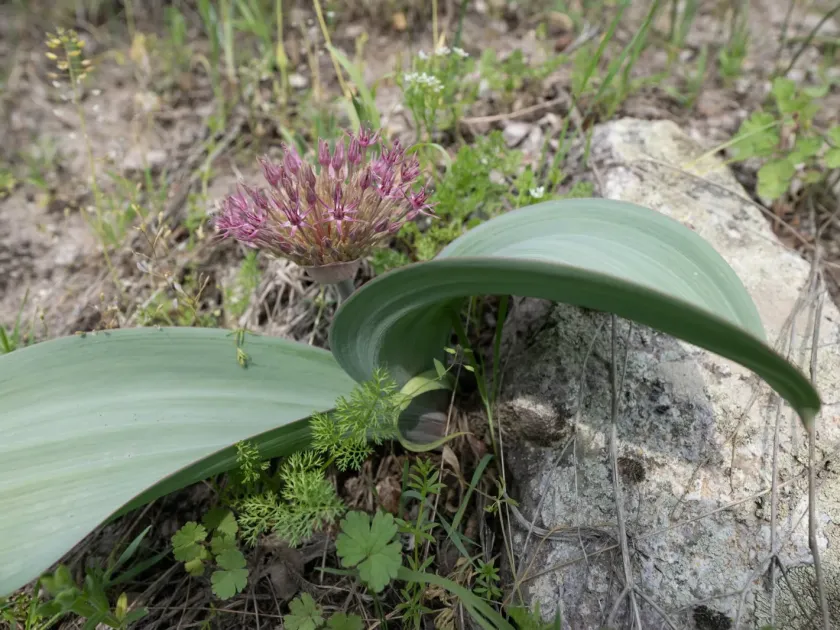
Description
Sowing dates
The planting of Karatau garlic bulbs is typically carried out in the autumn, specifically between September and October, to allow the roots to establish before the frost.
Bulbs should be planted at a depth of 10–15 centimeters, which is sufficient to protect them from temperature fluctuations during the dormant winter period.
Maintaining a spacing of 20–30 centimeters between bulbs is essential, as the plant develops large, spreading basal leaves that require adequate surface area.
Seeds can be sown in late autumn, although this is a less common practice because the plants take several years to reach maturity and produce their first bloom.
Early autumn planting is optimal as it ensures the bulb builds up enough nutrient reserves for vigorous growth and flowering in the following spring season.
Growing requirements
Karatau garlic belongs to the Amaryllidaceae family and originates from the mountainous regions of Central Asia, specifically the Karatau mountain range.
This species thrives in locations with full exposure to sunlight, preferring well-drained soils that mimic its native rocky and sloped environmental conditions.
The soil must have an excellent drainage system, as stagnant moisture is detrimental to the bulbs and often leads to root rot during the summer dormancy.
It is remarkably tolerant of dry conditions, making it an excellent choice for rock gardens and areas where regular irrigation is limited or impractical.
Soil structure should be sandy or gritty to facilitate rapid water percolation, preventing the bulb from soaking in water after heavy rainfall or spring snowmelt.
Main diseases and pests
Fusarium wilt represents the most significant threat to Karatau garlic, often triggered by excessive soil moisture and poorly ventilated planting sites.
Bacterial rot can quickly destroy the bulbs if the environment remains too humid, especially if there are mechanical injuries on the bulb scales.
Common pests such as onion flies and various species of weevils can cause significant damage to the lush leaves, reducing the overall visual appeal.
Applying preventive fungicides during the storage phase or before planting is a recommended practice to minimize the risk of fungal outbreaks.
Regular monitoring for pest symptoms and the immediate removal of infected plant material are standard protocols to maintain a healthy display of alliums.
Harvesting
Bulb harvesting takes place once the foliage has turned yellow and withered completely, which typically occurs mid-to-late summer after the blooming cycle.
The bulbs should be carefully extracted from the soil, cleaned of debris, and left to dry in a cool, well-ventilated location away from direct sunlight.
Proper storage involves keeping the cleaned bulbs in a dry room, as moisture during this stage will almost certainly lead to rapid fungal infection.
Clumps of bulbs should be divided only every four to five years, as the plant is sensitive to disturbance and prefers staying in the same location for long periods.
Careful handling of the bulbs during the harvest process is crucial, as any physical damage to the protective outer layers can serve as an entry point for pathogens.