
Rakkyo
Allium chinense G. Don
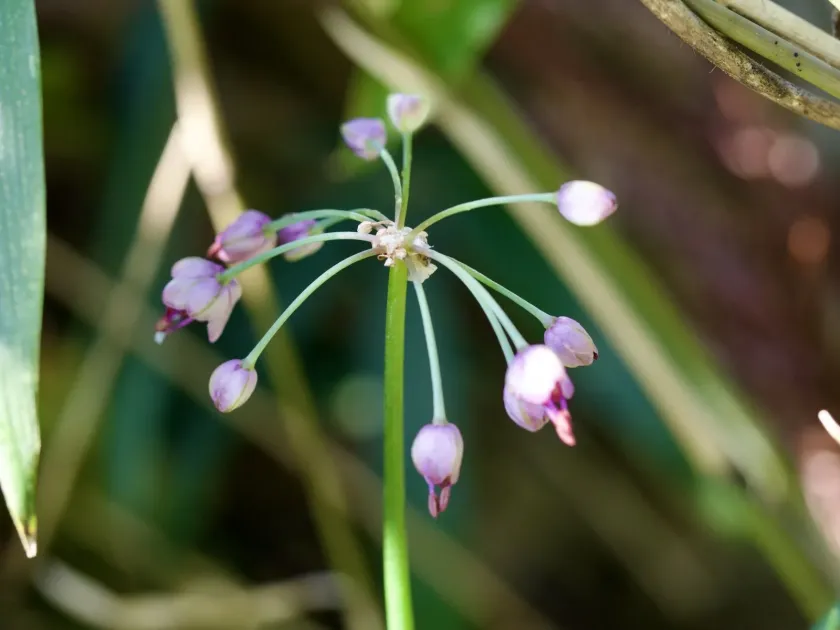
Description
Sowing dates
Rakkyo (Allium chinense G. Don) is a perennial bulbous plant belonging to the Amaryllidaceae family, widely cultivated in East Asia for its edible bulbs.
The crop is typically propagated by planting small daughter bulbs, which are harvested from the main cluster and replanted in the following season.
Planting usually occurs in early spring once the risk of frost has passed and the soil has reached an optimal temperature for root development.
Bulbs are spaced about 10 to 15 centimeters apart in rows, with enough distance between rows to allow for easy weeding and maintenance.
Proper depth for planting is essential, generally between 3 and 5 centimeters, depending on the texture and moisture content of the soil.
Growing requirements
Rakkyo requires full sun exposure to thrive, as shade can negatively impact the size and quality of the developing bulbs.
The soil should be well-drained, fertile, and slightly acidic to neutral in pH to support vigorous growth and prevent bulb rot.
Consistent moisture is needed during the active growing season, but it is critical to avoid waterlogging, which can cause fungal diseases.
Organic matter such as compost or well-rotted manure should be incorporated into the soil before planting to provide long-term nutrients.
The plant is relatively hardy but performs best in temperate climates where temperatures do not exceed extremes for extended periods.
Yield
The yield of Rakkyo is defined by the quality of the bulbs, which are highly prized in culinary arts, especially for pickling.
In addition to the bulbs, the leaves are often consumed, serving as a flavorful, mild onion-like garnish for various Asian dishes.
Proper crop management, including regular weeding and nutrient balance, significantly enhances the final marketable yield per hectare.
Harvested bulbs can be processed fresh, pickled in vinegar, or used as a base for sauces, making it a versatile crop for farmers.
High yields depend on maintaining healthy bulb clusters and preventing overcrowding during the peak of the growing season.
Main diseases and pests
The most common pests affecting the crop include onion maggots, which can damage the root system and reduce overall plant health.
Fungal pathogens such as rust and downy mildew can thrive in humid conditions, necessitating proper spacing for airflow.
Root rot is a significant threat in poorly drained soils, often caused by pathogenic fungi that thrive in stagnant water conditions.
Effective management strategies include crop rotation, the use of disease-free planting stock, and regular field inspections.
- Monitoring for pest infestations
- Ensuring adequate soil drainage
- Applying preventive organic treatments
Harvesting
Harvesting usually takes place in late summer or early autumn when the foliage begins to yellow and wither, indicating maturity.
The bulbs are carefully lifted from the soil, taking care not to bruise them, as damaged tissue is prone to storage rot.
After harvesting, bulbs should be cured in a dry, well-ventilated area to allow the outer skins to toughen for storage.
Cleaned and cured bulbs can be stored in cool, dark environments where they maintain their texture and culinary quality for several months.
Selected healthy bulbs are often set aside for the next season's planting, ensuring the sustainability of the crop cycle.