
Garlic chives
Allium tuberosum Rottler ex Spreng.
Description
Sowing dates
Garlic chives (Allium tuberosum) are a perennial plant belonging to the Amaryllidaceae family. Seeds are typically sown in early spring as soon as the soil is workable.
The seeds should be planted at a depth of 1-2 cm in rows spaced approximately 30-40 cm apart to ensure adequate space for the plants to establish properly.
While direct seeding is common, propagation by division of established clumps is a very effective way to multiply the plants in early spring or autumn.
It is important to keep the seedbed moist until germination occurs, which usually takes about two to three weeks depending on the ambient temperature.
In the first year, growth is primarily focused on root development, so harvest should be minimal to allow the plant to store energy for the subsequent year.
Growing requirements
Garlic chives thrive in full sun but are remarkably tolerant of partial shade, making them a versatile choice for various garden settings and container setups.
The ideal soil is fertile, well-draining, and rich in organic matter with a pH level ranging from slightly acidic to neutral to ensure optimal nutrient uptake.
This hardy plant is capable of surviving harsh winters, as it enters a dormant state until the following spring when it quickly sends up new, fresh shoots.
Regular irrigation is necessary to prevent the leaves from becoming tough and fibrous, especially during prolonged dry spells in the height of the summer.
To maintain high productivity, annual applications of balanced fertilizers or well-rotted compost are recommended to keep the soil nutrient levels sufficient.
Yield
Under optimal growing conditions, garlic chives provide a high yield of tender, flavorful leaves, often allowing for three to four harvests per growing season.
Individual plants can persist for several years, though yields typically peak between the second and fourth year before the clump requires thinning or division.
The total yield per square meter depends on plant density and the frequency of fertilizer application, with well-managed plots producing significant volumes.
The plants are highly resilient and recover quickly after cutting, provided that adequate water and nutrients are available to support rapid cell division.
Harvesting strategies involve cutting the entire cluster of leaves to encourage uniform regrowth of the next cycle, ensuring a continuous supply of greens.
Main diseases and pests
Garlic chives are naturally resistant to many pests and diseases due to their potent sulfur compounds, which act as a natural deterrent to common insects.
However, in poorly drained soils, root rot can occur, so ensuring good drainage is a primary preventative measure for the health of the entire patch.
In some regions, onion maggots can pose a threat to the bulbous base, and monitoring for signs of wilting is advised during the peak growing season.
Aphids might occasionally colonize the flower stalks, but they generally cause little economic damage to the primary crop intended for culinary use.
Using cultural practices such as crop rotation and avoiding overhead watering can significantly reduce the incidence of fungal issues like downy mildew.
Harvesting
The leaves are best harvested when they are young and tender, usually at a height of 25-30 cm, by cutting them close to the ground level.
Unlike standard chives, the leaves of garlic chives remain succulent even after the flower stalks emerge, allowing for a longer harvesting window.
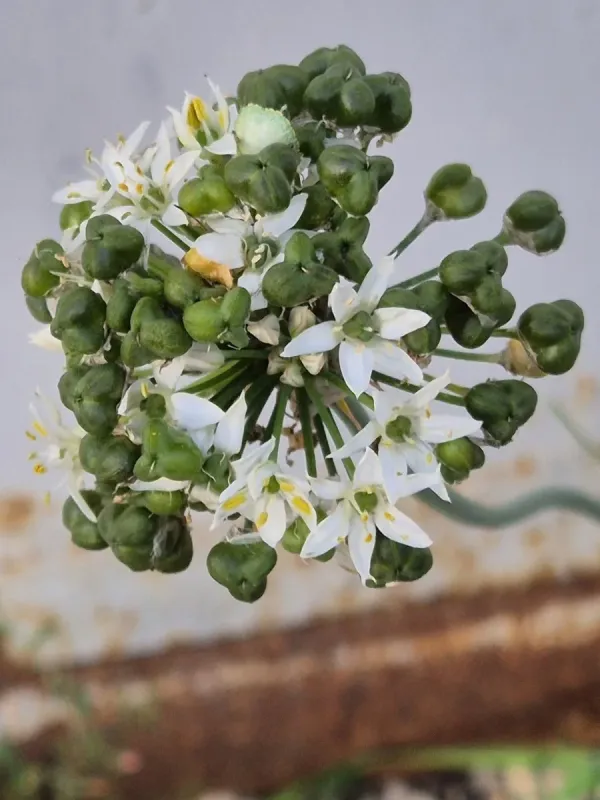
The flower buds, which appear in late summer, are edible and highly prized for their mild garlic flavor in stir-fries, salads, and vegetable pickling.
Post-harvest, it is essential to keep the leaves cool and away from direct sunlight to preserve their delicate aroma and high vitamin content for as long as possible.
The plant benefits from a final harvest in late autumn, followed by cleaning the bed of debris to ensure a healthy start for the dormant winter period.