
Canada onion
Allium canadense L.
Description
Sowing dates
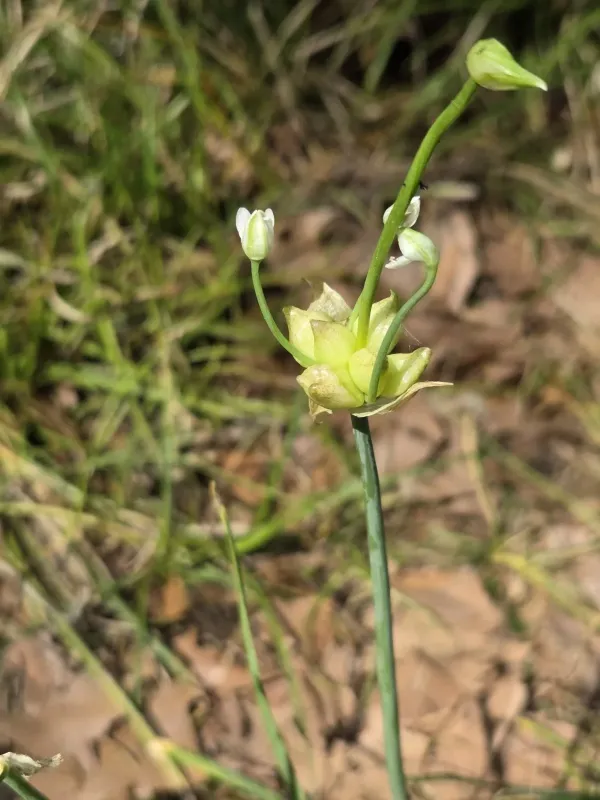
Canada onion (Allium canadense) is a perennial herbaceous plant belonging to the Amaryllidaceae family. In its natural habitat, it spreads primarily through vegetative propagation, utilizing small bulbs and aerial bulblets that form within the flower clusters.
When propagating via seeds, a cold stratification period is necessary to break dormancy and ensure uniform germination. Sowing can be performed in late autumn or early spring, as soon as the soil can be safely worked without compaction.
For vegetative planting, bulbs should be set into the soil at a depth of 5 to 8 centimeters. Maintaining a spacing of 15–20 centimeters between plants is essential for optimal foliage growth and prevents overcrowding within the planting bed.
Proper spacing not only ensures sufficient resource availability for each plant but also improves air circulation, which is critical for reducing the risk of fungal development within the crop.
Selecting high-quality, disease-free planting material is a prerequisite for a successful harvest. Before planting, bulbs can be dipped in a mild fungicide solution to prevent soil-borne pathogens from affecting the root system.
Growing requirements
This crop thrives in sunny locations with well-drained, fertile sandy loam or silty soils. While it shows remarkable environmental plasticity, it performs best when provided with ample sunlight during its peak growing season.
Soil moisture levels should remain consistent; however, Canada onion does not tolerate waterlogged conditions, which can lead to root rot. Good drainage is essential, especially in areas with heavy clay soils.
The ideal soil pH for Canada onion ranges from 6.0 to 7.5. Adjusting soil acidity with lime or organic amendments can help create the optimal environment for the plant to absorb necessary micro- and macronutrients.
Incorporating organic matter, such as well-rotted compost, prior to planting provides a steady supply of nutrients and improves the physical structure of the soil, leading to more vigorous plant development.
Canada onion is highly winter-hardy, capable of surviving harsh climates typical of its North American range, making it a reliable perennial choice for growers in various northern regions.
Yield
The primary agricultural value of Canada onion is its early-season green harvest. The leaves emerge very early in the spring, providing a nutrient-dense food source when few other fresh crops are available.
Yields of green leaves can be sustained over several years from the same patch with proper care. The leaves are valued for their mild onion-like flavor, which is a perfect addition to salads, soups, and seasonings.
The bulbs are also edible and possess a more concentrated, pungent flavor profile. They are commonly harvested for use in pickling, drying, or as a fresh gourmet ingredient in various culinary applications.
Harvesting for bulb storage is best performed at the end of the growth cycle when the foliage begins to senesce and turn yellow. This signifies that the plant has stored maximum energy reserves in the bulb.
For small-scale farmers, Canada onion represents a low-maintenance, high-value perennial crop that can provide consistent income due to its status as a niche vegetable product.
Main diseases and pests
Fungal diseases such as downy mildew and rust are the primary threats to Canada onion, particularly when humidity levels remain high and stagnant air persists around the foliage.
Insect pests, including onion maggots and thrips, can cause significant damage. Onion maggot larvae specifically target the root and bulb area, which can quickly devastate a well-established planting site.
Effective pest management relies on crop rotation and the consistent removal of weed species that act as alternative hosts for pathogens and insect populations within the growing area.
Adopting integrated pest management strategies, including the use of biological control agents, helps maintain a healthy ecosystem without excessive reliance on synthetic chemical fertilizers or pesticides.
Regular cultivation and weeding between rows interrupt the life cycles of soil-dwelling pests and improve soil oxygenation, which indirectly strengthens the plant's natural disease resistance.
Harvesting
The harvest of green tops is conducted selectively, removing outer leaves as they reach maturity. This method allows the inner parts of the plant to continue growing, ensuring a steady supply of fresh greens throughout the season.
For long-term storage, leaves can be dried in low-temperature dehydrators or frozen. These preservation methods allow the flavor and nutritional profile of the plant to be retained throughout the winter months.
Bulbs should be harvested using a pitchfork to lift them carefully from the soil, preventing any mechanical damage that would compromise their shelf life. Once harvested, they should be cleaned and thoroughly dried in a shaded area.
Proper storage involves placing the bulbs in a cool, dark, and well-ventilated environment. Stored in this manner, they can maintain their quality and flavor integrity for several months.
In larger-scale production, mechanical harvesters are optimized for small-bulb crops to ensure maximum recovery of the product while minimizing soil disturbance and damage to the fragile bulb skins.