
Egyptian onion
Allium xproliferum (Moench) Schrad. ex Willd. x Allium fistulosum L.
Description
Sowing dates
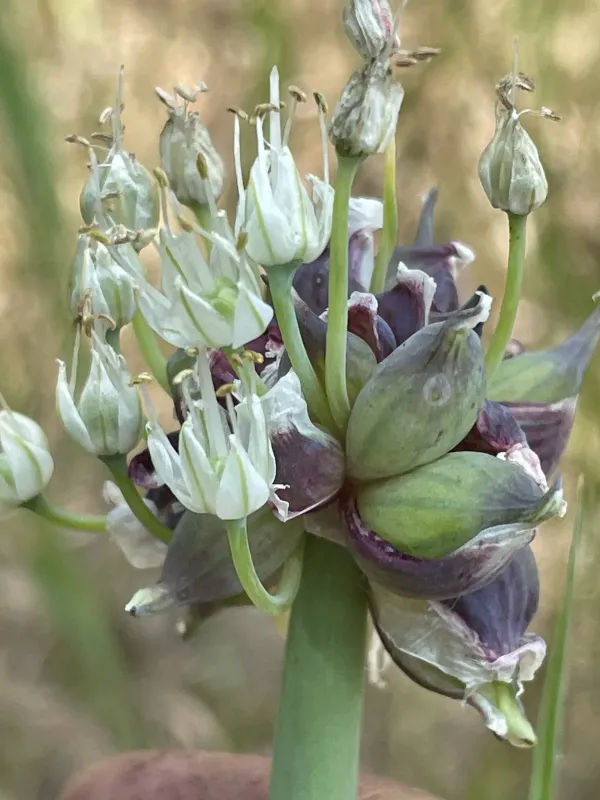
The Egyptian onion (Allium xproliferum), also known as the walking onion or topsetting onion, is a perennial plant belonging to the Amaryllidaceae family. It is a unique hybrid that produces small bulblets on top of its stalks instead of conventional flower heads.
Propagation is primarily vegetative, using the aerial bulblets. The ideal time for planting is late summer or early autumn, allowing the roots to establish before the ground freezes. This ensures an early harvest of fresh green shoots the following spring.
When planting, the bulblets should be spaced approximately 20 centimeters apart to allow the cluster to expand over time. Placing them about 5 centimeters deep is sufficient for healthy establishment in well-drained soil.
While spring planting is also possible, it often results in less vigorous growth during the first season. Because these plants are perennials, they can remain in the same location for several years without needing to be replanted.
Gardeners value this crop for its hardiness and early maturity. It is one of the first plants to emerge after winter, providing fresh greens when other vegetables are not yet available.
Growing requirements
Egyptian onions thrive in fertile, well-drained soils with a neutral pH. They prefer sunny locations, as shade can hinder their growth and reduce the quality of the green leaves.
One of the most significant advantages of this crop is its extreme winter hardiness. It can survive very low temperatures and does not require special winter protection, making it suitable for a wide range of climates.
Regular watering is essential during the active growing season, especially in dry spring conditions. Maintaining consistent moisture helps ensure the leaves remain tender and flavorful rather than woody.
The plant benefits from periodic organic fertilization, such as compost or well-rotted manure, applied in early spring. This promotes lush vegetative growth throughout the season.
Proper weed control is necessary to prevent competition for nutrients. Using mulch around the base of the plant helps retain soil moisture and discourages the growth of unwanted weeds.
Yield
The yield of Egyptian onions is highly productive due to the plant's ability to regrow multiple times throughout the season. Harvesters can cut the green leaves throughout the spring and summer months.
Beyond the foliage, the aerial bulblets are also edible and highly prized by chefs. They have a more concentrated onion flavor and are excellent when pickled or used in savory cooking.
Because the plants propagate naturally by "walking" (as the stalks lean over and the bulblets root in the ground), a single planting can lead to an ever-expanding patch of vegetables.
This crop is a valuable asset for home gardens and small-scale farms, providing a consistent supply of nutrients without requiring annual reseeding or high-maintenance care.
With its robust nature, the Egyptian onion remains a reliable choice for sustainable gardening, offering both culinary utility and ornamental interest in the vegetable bed.
Main diseases and pests
Onion maggots are the most common pest, as their larvae can cause significant damage to the plant's underground bulbs. Encouraging biodiversity and rotating crops are effective preventive measures.
Downy mildew is a fungal disease that can affect the leaves, particularly during periods of high humidity and poor air circulation. Symptoms include greyish-purple spots on the foliage.
Basal rot may occur if the soil remains waterlogged. Ensuring good drainage is critical, as standing water encourages the growth of fungi that can destroy the root system.
Regular monitoring of the plants allows for early detection of issues. Removing damaged or infected leaves promptly helps keep the plant population healthy and prevents the spread of disease.
Avoid heavy pesticide use, especially when harvesting green leaves for culinary use. Instead, utilize biological controls and maintain healthy garden practices to manage potential risks.
Harvesting
The harvest of green tops begins in early spring when the shoots reach about 20 centimeters in height. Careful harvesting involves cutting the leaves rather than pulling the plant, allowing it to regenerate.
Aerial bulblets are ready to be harvested when they are fully formed, firm, and show a brownish or reddish hue. They can be harvested individually or cut off with the supporting stalk.
If propagation is not desired, removing the stalks with bulblets early can help redirect the plant's energy toward producing more succulent green foliage.
At the end of the season, a portion of the bulbs can be left in the ground to overwinter. These serve as the foundation for the following year's growth, ensuring a cycle of sustainability.
Harvested bulbs should be kept in a cool, well-ventilated area to prevent them from drying out or sprouting prematurely before they are needed in the kitchen.