
Wild garlic
Allium vineale L.
Description
Sowing dates
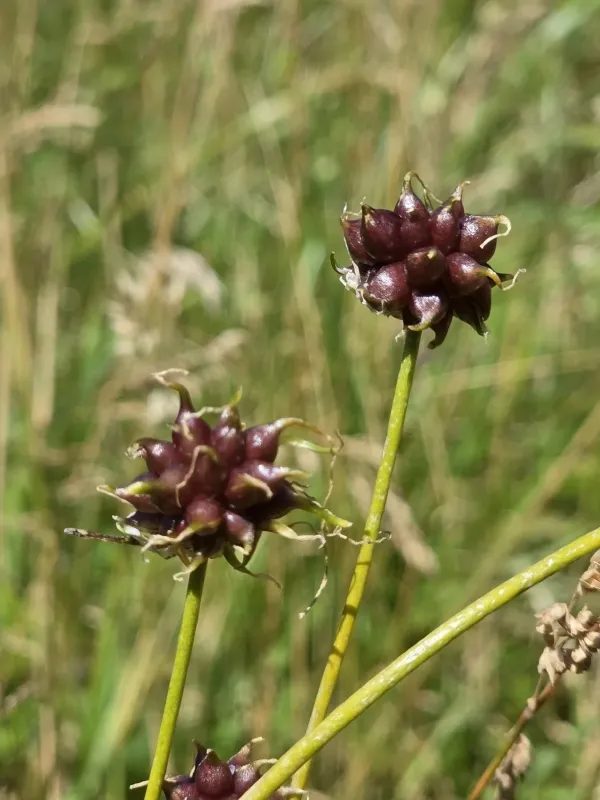
Wild garlic (Allium vineale L.), commonly known as crow garlic, is a perennial bulbous plant belonging to the Amaryllidaceae family. It is characterized by its ability to spread aggressively through underground bulblets and aerial bulbils that form in its inflorescences.
The plant features slender, hollow leaves and a tall, sturdy stem. Unlike some other alliums, it spends a significant portion of its life cycle in a vegetative state, making it a persistent fixture in pastures, fields, and along roadsides throughout the temperate regions of the Northern Hemisphere.
Its reproductive strategy is highly effective; the aerial bulbils are often harvested along with cereal crops, leading to contamination of seed stocks. This biological trait makes it a challenging species to manage in integrated pest management programs for wheat and barley.
The plant has a distinct pungent odor caused by sulfur compounds, which, if ingested by livestock, can taint milk and meat products. This makes it particularly unwelcome in dairy pastures where fodder quality is a priority for production.
Taxonomically, the plant is quite diverse, with several variations depending on the environmental pressures of its specific habitat. Its resilience is attributed to the energy reserves stored within the dense, tunicated bulbs which allow it to survive harsh winter conditions and prolonged drought.
Growing requirements
Wild garlic thrives in well-drained, fertile soils, ranging from sandy loams to heavier clays. While it prefers neutral soil pH levels, it displays remarkable adaptability to varying soil conditions, allowing it to colonize diverse landscapes with ease.
The species requires cool temperatures to initiate its early spring growth phase. It is highly winter-hardy and can withstand significant frost, often outcompeting dormant vegetation by starting its photosynthetic activity as soon as soil temperatures allow.
In terms of light, it favors open areas with full sun exposure. Increased sunlight intensity encourages the production of aerial bulbils, which in turn fuels the spread of the population across larger areas of agricultural land.
Soil management for this plant involves consistent disturbance, as the bulbs must be exhausted of their reserves to prevent regeneration. Deep plowing followed by frequent harrowing is often necessary in agricultural settings to disrupt the growth cycle of the bulbs.
Water availability is essential for rapid biomass accumulation, but the species does not tolerate waterlogged conditions for extended periods. Good drainage is key to maintaining the plant's health if it is grown for specific research or botanical purposes.
Main diseases and pests
The plant is susceptible to various fungal pathogens, most notably powdery mildew, which can cover the leaf surface and hinder gas exchange. High humidity and poor air circulation are the primary drivers for the rapid spread of this fungal disease.
Fusarium basal rot is another major threat that attacks the bulb, causing it to disintegrate. This disease is particularly prevalent in soils that remain wet and lack proper oxygenation, creating an ideal environment for the pathogen to thrive.
Insect pests such as onion flies and thrips are common vectors for damage. The larvae of the onion fly burrow into the base of the plant, often leading to secondary bacterial infections that cause the plant to wilt and collapse during the growing season.
Stem and bulb nematodes are insidious pests that reside in the soil and infect the plant tissue, resulting in stunted development and deformed leaves. Once an area is infested with nematodes, eradication becomes a complex and long-term process.
Viral infections can also occur, leading to chlorosis, stunted growth, and a reduction in the plant's overall competitive vigor. Preventive measures focus on removing infected debris and maintaining healthy soil conditions to minimize the impact of these various biotic threats.