
Hybrid garlic chives
Allium tuberosum Rottler ex Spreng. x Allium victorialis L.
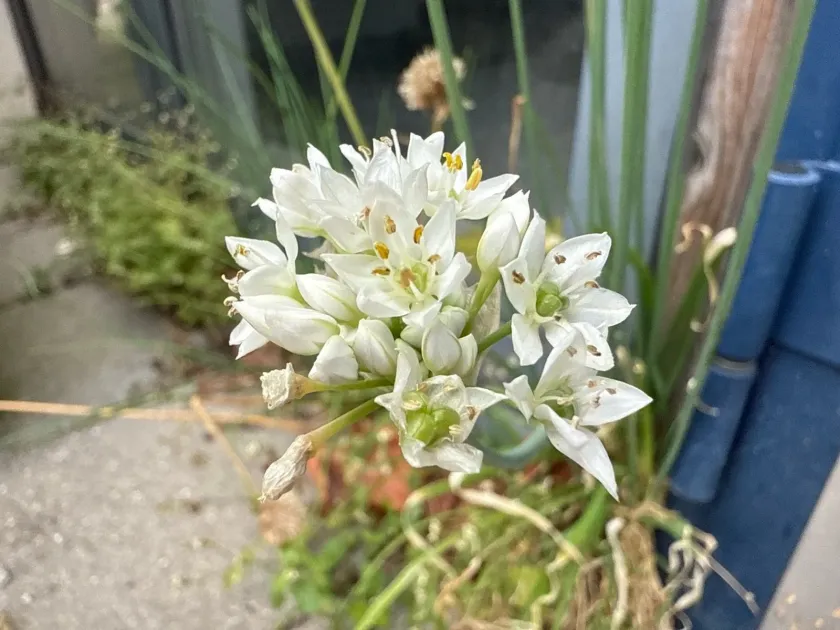
Description
Sowing dates
Seeds of the hybrid garlic chives should be sown in early spring as soon as the soil reaches a temperature of at least 5–7 degrees Celsius for optimal germination.
The seeds should be covered with a thin layer of soil, approximately 1.5 to 2 centimeters deep, to ensure they do not dry out while maintaining good access to air.
Space the rows 30 to 40 centimeters apart to provide enough room for weeding and to facilitate air circulation, which is crucial for preventing fungal issues.
For earlier production, sowing can be done in trays indoors during late winter, with transplantation into the field occurring once the danger of frost has passed.
Adequate plant density is essential; thinning young seedlings helps each plant establish a strong root system necessary for multiple seasonal harvests.
Growing requirements
This hybrid is a member of the Amaryllidaceae family, blending the hardiness of traditional wild species with improved vigor and leaf texture for cultivation.
Garlic chives thrive in full sun but are tolerant of partial shade, making them a versatile choice for home gardens where light conditions may vary throughout the day.
Well-draining, nutrient-rich loam or sandy soil with a neutral pH level provides the ideal foundation for the vigorous growth of these perennial plants.
Consistent moisture is required for the development of tender, flavorful leaves; however, it is vital to avoid waterlogged conditions that can cause root rot.
The crop is highly resilient and cold-hardy, capable of surviving harsh winter conditions and returning reliably each spring with new, fresh growth.
Yield
Yield is maximized through frequent harvesting of the foliage, which encourages the plant to produce new shoots and prevents it from becoming too woody.
Under optimal management conditions, the plants can produce up to 3–5 kilograms of fresh leaves per square meter throughout the growing season.
Maximum productivity is typically observed from the second year onwards as the root clump becomes well-established and expands significantly in size.
Applying balanced fertilizers or compost after each cutting cycle ensures the soil maintains sufficient fertility to support rapid vegetative recovery.
By removing flower stalks as they emerge, gardeners can significantly boost the foliage yield and maintain the quality of the leaves for consumption.
Main diseases and pests
Common garden pests such as the onion fly and thrips can pose a threat by feeding on the leaves, leading to aesthetic damage and reduced plant vigor.
Fungal diseases like downy mildew can develop in humid conditions with poor ventilation, showing as spots on the foliage and inhibiting healthy growth.
Preventative strategies include practicing crop rotation, maintaining weed-free areas, and ensuring sufficient spacing to allow foliage to dry quickly after rain.
Given that the leaves are harvested for consumption, growers should prioritize cultural and biological control methods over chemical pesticide applications.
Regular monitoring of the garden bed allows for the early detection of issues, enabling quick intervention before a minor problem becomes a widespread infestation.
Harvesting
Harvesting begins when the leaves reach approximately 25–30 centimeters in height, cutting them cleanly at the base to encourage vigorous re-growth.
Multiple cuttings per season are possible; leaving enough time between harvests ensures the plant can replenish its carbohydrate stores in the roots.
Freshly harvested chives should be kept in a cool, ventilated place or refrigerated to maintain their moisture content, delicate flavor, and vitamin levels.
Proper storage in a refrigerator at temperatures between 0 and 5 degrees Celsius can keep the leaves fresh for up to two weeks after the initial cutting.
Cease harvesting at least a month before the first hard frost to allow the plant to store energy in its root system, ensuring successful survival through the winter.