
Three-cornered leek
Allium triquetrum L.
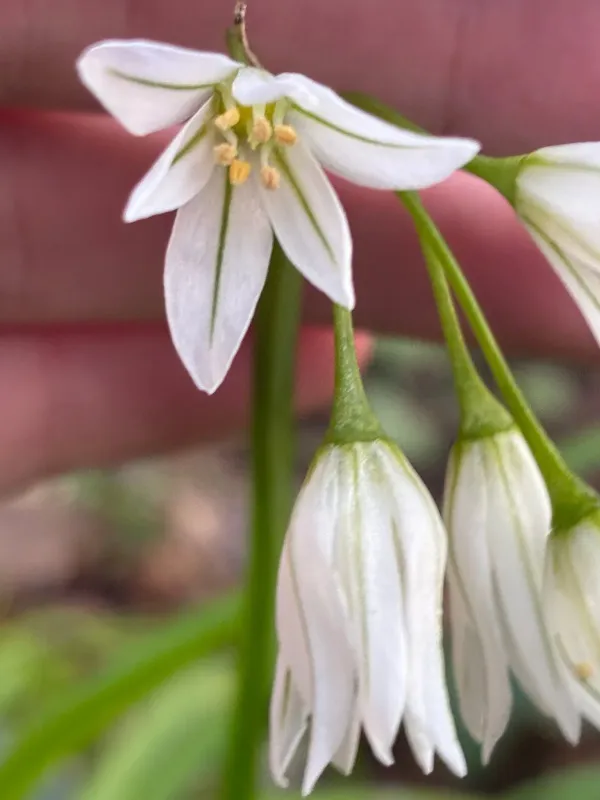
Description
Sowing dates
Three-cornered leek is a hardy perennial that propagates effectively through bulb division. The best time to plant the bulbs is during the dormant period in late summer or autumn, allowing them to establish roots before the soil temperature drops significantly.
Seed propagation is also possible, with seeds sown in well-prepared beds during autumn. Seeds require a period of cold stratification to germinate successfully, which naturally happens if sown outdoors before winter begins.
When planting bulbs, a spacing of 10–15 cm between plants is recommended. This allows sufficient room for the plant to spread over time, as it is known for its vigorous growth habit in favorable conditions.
For container gardening, use a loose, nutrient-rich potting mix that provides excellent drainage. Ensure the pots are deep enough to accommodate the root system and provide consistent light levels.
After sowing or planting, keep the soil moist but not waterlogged. Once the plants emerge in early spring, they grow rapidly, often becoming one of the first edible greens available in the garden.
Growing requirements
This species thrives in partial shade to full sun, making it versatile for various garden settings. In areas with intense summer heat, light afternoon shade is preferred to prevent leaf scorching.
Soil requirements include high organic content and good drainage. While it can adapt to various soil types, sandy loams that retain some moisture are considered ideal for maximum leaf production.
Three-cornered leek is frost-tolerant and can survive winter temperatures across many temperate zones. It enters a natural state of dormancy during the heat of summer, which is a key biological adaptation.
Adequate moisture is essential during the primary growth phase in spring. Once flowering concludes and the foliage begins to yellow, water can be reduced to encourage the bulbs to store energy for the next season.
Minimal fertilization is required if the soil is amended with compost at the time of planting. Over-fertilization, especially with nitrogen, can lead to lush but weak leaf growth that is more susceptible to disease.
Main diseases and pests
The most common issues encountered with this crop are fungal diseases triggered by excessive soil moisture and poor air circulation. Botrytis and various rot-causing fungi can infect the bulbs if drainage is insufficient.
Pests such as onion maggots may occasionally affect the bulbs, especially in soils where alliums have been grown repeatedly. Crop rotation is the most effective management strategy to mitigate this risk.
Slugs and snails can cause significant aesthetic damage to the leaves during damp spring weather. Barriers or organic bait traps are often used by gardeners to protect the foliage from these pests.
White rot, caused by the fungus Sclerotium cepivorum, is a severe threat to alliums. If detected, infected plants must be removed and destroyed, and the soil should be treated to prevent further spread.
Monitoring for signs of aphids during the warm spring period is also advisable. While the plant's strong aroma acts as a natural deterrent, heavy infestations can still affect the quality of the greens.
Harvesting
Harvesting usually begins in early spring when the leaves are young and tender. Use sharp shears to cut the leaves at the base, ensuring that the central growing point remains intact for future production.
The entire plant, including the bulb, is edible and offers a delicate flavor profile reminiscent of both onion and garlic. The white flowers are also considered a culinary delicacy, often used as an edible garnish.
For optimal freshness, harvested greens should be washed, dried, and stored in a cool environment. They are best consumed shortly after harvest, as they lose their crisp texture if kept for too long.
When harvesting bulbs, wait until the foliage has completely withered in late spring or early summer. Dig the bulbs carefully, clean away the soil, and store them in a dry, ventilated area.
The plant's culinary versatility extends to sauces, pesto, and soups. Its mild, nuanced flavor makes it a prized ingredient for those seeking a unique alternative to standard culinary leeks or onions.