
Allium schubertii
Allium schubertii Zucc.
Description
Sowing dates
Planting of Allium schubertii bulbs should be performed in early to mid-autumn, allowing the roots to establish before the ground freezes. Timing is critical to ensure the bulbs are dormant yet prepared for the spring growth cycle when temperatures rise.
The bulbs should be planted at a depth of approximately 10–15 centimeters, which is roughly three times the height of the bulb. This depth ensures stability for the large flower head and protects the bulb from temperature fluctuations during the winter months.
To improve drainage, it is advisable to place a layer of sand at the bottom of the planting hole, especially in clay-heavy soils. This simple measure significantly reduces the risk of bulb rot and promotes healthier root development throughout the season.
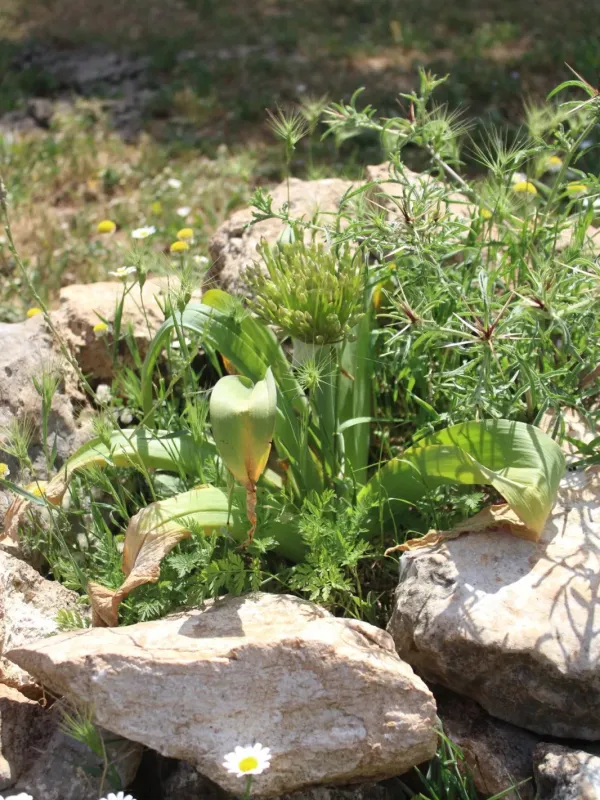
As a member of the Amaryllidaceae family, Allium schubertii is a unique bulbous perennial native to the Mediterranean and parts of Western Asia. Its biological structure is adapted to endure dry, hot summers followed by cool, wet springs.
Spacing should be managed to provide at least 20–30 centimeters between individual bulbs. Proper spacing allows for adequate airflow around the foliage, which is essential to prevent the spread of fungal diseases and ensures each plant receives enough sunlight.
Growing requirements
Full sun is a non-negotiable requirement for Allium schubertii, as the plant needs intense light to support its massive, globe-shaped flower heads. Growing it in shaded or partially shaded locations will cause the stems to lean and the blooms to be weak.
The soil must be well-draining, as the bulbs are highly susceptible to moisture-related decay. A neutral or slightly alkaline soil pH is preferred, and the substrate should be loose and friable to allow for easy root penetration.
Watering should be focused on the active growing phase in spring. Once the flowers begin to fade and the foliage starts to yellow, watering should be reduced drastically to let the bulbs enter their natural period of summer dormancy.
Fertilization should be handled with caution; a balanced, slow-release fertilizer applied early in the spring is sufficient. High-nitrogen fertilizers should be strictly avoided, as they promote excessive leafy growth that can weaken the flower stem.
Winter protection, such as a layer of mulch or dried leaves, is recommended in colder climates to prevent the ground from heaving due to frost. This layer should be removed as soon as the first signs of spring growth appear.
Main diseases and pests
Bulb rot remains the primary threat to this species, usually caused by stagnant water or excessively wet winter conditions. Maintaining optimal soil structure is the best prophylactic measure to ensure the longevity of the plantings.
Onion flies and their larvae can cause severe damage by tunneling into the bulbs. Using protective netting over the young foliage in spring or applying organic deterrents can help manage these pests without damaging the environment.
Fungal diseases like downy mildew may appear during cool, damp spring weather, manifesting as discolored spots on the leaves. Immediate removal of affected leaves and the use of copper-based fungicides are standard practices for disease control.
Nematodes, while less frequent, can interfere with nutrient uptake by damaging the roots. Starting with certified, disease-free bulbs and practicing crop rotation is the most effective strategy for preventing long-term soil contamination.
Mechanical damage during harvest or transplanting serves as an entry point for pathogens. Always handle bulbs with care and ensure they are thoroughly dried in a well-ventilated, shady spot before they are stored for the season.
Harvesting
For ornamental use in dried flower arrangements, the flower heads should be harvested when the individual florets are fully open. Hanging the stalks upside down in a dark, dry room allows them to preserve their intricate, firework-like shape.
Bulb harvest for reproduction or division should occur once the foliage has completely withered and dried. This ensures that the energy from the leaves has successfully translocated back into the bulb, fueling the next season's growth.
Carefully clean the bulbs of loose soil and debris after lifting them from the ground. Examine each bulb for signs of softness or disease, and discard any that do not meet the quality standards to prevent contaminating the healthy stock.
Store the harvested bulbs in a cool, dry, and dark environment with excellent ventilation. Temperatures between 15 and 20 degrees Celsius are optimal for keeping the bulbs in a dormant state until the next planting cycle begins.
In landscaping, Allium schubertii serves as a focal point in flower beds, rock gardens, and container displays. Its dramatic silhouette makes it a highly sought-after plant for designers looking to add an exotic touch to arid or formal gardens.