
Allium obliquum
Allium obliquum L.
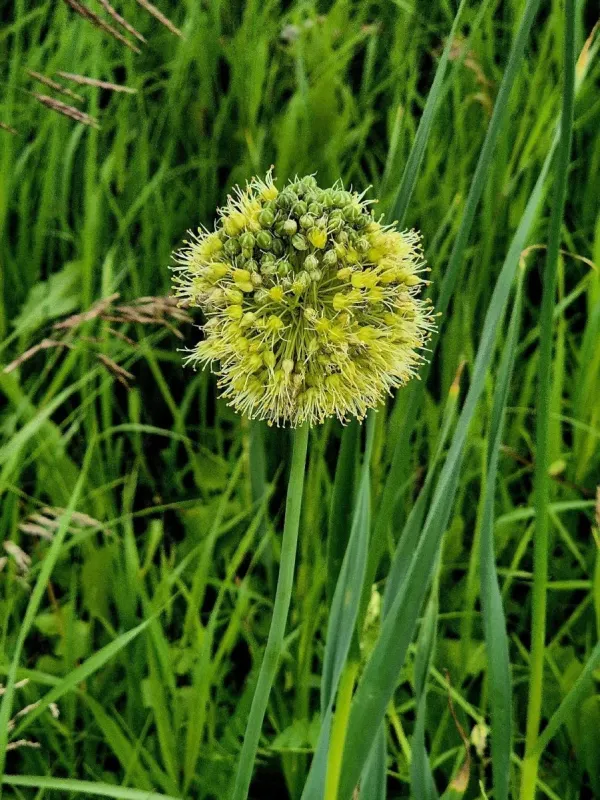
Description
Sowing dates
Allium obliquum, commonly known as twisted-leaf garlic, is a hardy perennial belonging to the Amaryllidaceae family, adapted to cool climates.
Seeds should be sown in early spring or late autumn in well-drained soil, placed at a shallow depth of approximately 1–2 cm.
For small-scale production, vegetative propagation via root division is highly effective, performed either in early spring or early autumn.
Maintaining a row spacing of 45–60 cm ensures proper air circulation and allows for easy maintenance of the crop throughout its long lifespan.
The plant is highly resilient and frost-tolerant, establishing itself well in various soil types as long as they are sufficiently fertile.
Growing requirements
This crop thrives in sunny locations but demonstrates a high degree of adaptability, tolerating partial shade in mountainous or northern regions.
It prefers neutral to slightly alkaline, light-textured, and fertile soils, avoiding areas prone to waterlogging, which can cause root damage.
Agrotechnical care includes consistent weeding and regular inter-row cultivation to keep the soil loose and oxygenated for the rhizomes.
While resistant to moderate drought, timely irrigation is essential during prolonged dry spells to ensure the leaves remain tender and flavorful.
Applying organic matter during soil preparation and light mineral fertilization in early spring significantly enhances the overall foliage yield.
Yield
The yield of Allium obliquum increases progressively as the plants mature, typically peaking in their third or fourth year of establishment.
Growers can expect a stable harvest of green leaves, which are appreciated for their distinct garlic-onion flavor and high nutritional content.
The foliage is an excellent source of essential vitamins and phytoncides, making it a valuable addition to both home gardens and specialized markets.
With proper crop rotation and management, a single planting can remain productive for several years, providing high-quality greens each season.
Productivity is maintained by avoiding overcrowding, as periodic division of mature clumps is necessary to rejuvenate the plant population.
Main diseases and pests
Common pests include onion flies and various aphids that may target the succulent leaves during the active growth phase in late spring.
Fungal issues such as downy mildew can occur if planting density is too high or if drainage is insufficient during rainy summer periods.
Integrated pest management, including regular crop inspection and the removal of infected debris, is the best approach to control potential outbreaks.
Proper spacing is a critical preventative measure, as it discourages the buildup of humidity and slows the spread of fungal pathogens.
Preventing soil compaction and ensuring good drainage are key to avoiding crown rot, the most serious threat to the longevity of the plant.
Harvesting
Harvesting begins early in the season when the leaves are approximately 15–20 cm tall, providing fresh produce while other crops are still developing.
Leaves should be harvested by cutting them carefully at the base, ensuring that the central growing point remains intact to allow for regrowth.
Multiple harvests can be conducted throughout the growing season, provided that the plant is given sufficient time to recover between cuttings.
The harvest concludes in mid-to-late summer as the plant begins to shift its energy towards the rhizomes in preparation for the dormant period.
For optimal quality, the harvested greens should be used immediately or stored in a cool environment to retain their characteristic crisp texture.