
Allium macleanii
Allium macleanii Baker
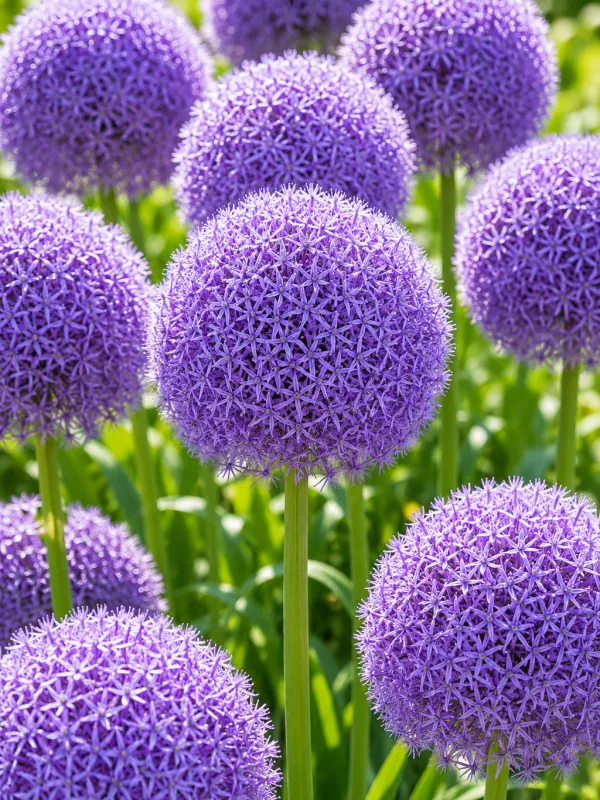
Description
Sowing dates
Allium macleanii bulbs should be planted in late summer or early autumn, when soil temperatures allow for successful root establishment before winter frost.
Proper timing is essential for the bulb to settle into the soil, ensuring it is ready for rapid growth as soon as spring temperatures begin to rise.
Planting depth should generally be three times the diameter of the bulb, providing enough soil cover to protect the bulb from fluctuating winter temperatures.
Spacing between plants should be approximately 20 to 30 centimeters to prevent overcrowding and ensure adequate airflow around the emerging foliage.
Choose a planting site that receives full sun, as Allium macleanii thrives in bright conditions and requires warmth for optimal flower development.
Growing requirements
Allium macleanii is a distinctive herbaceous perennial belonging to the Amaryllidaceae family, known for its striking spherical inflorescences and structural beauty.
Originating from the mountainous regions of Central Asia, this plant is adapted to environments with distinct seasonal cycles and well-defined resting periods.
The ideal growing medium is a well-drained, fertile soil that prevents water accumulation, as the bulbs are susceptible to rot in consistently waterlogged conditions.
While the plant is relatively drought-tolerant once established, providing supplemental water during the active spring growth phase enhances flower quality.
Soil pH should ideally be neutral or slightly alkaline, reflecting the natural limestone-rich habitats often favored by many ornamental allium species.
Main diseases and pests
Fungal pathogens, particularly those causing basal rot and other root infections, are the most significant threats to the health of Allium macleanii bulbs.
Excessive moisture during the summer dormant phase can trigger decay, making proper site drainage and soil management vital for the plant's long-term survival.
Pests such as the onion fly can cause damage to the leaves and developing stems, necessitating vigilant monitoring during the primary growth months.
Maintaining clear ground and removing competing weeds reduces the risk of pest infestation and improves the overall microclimate for the bulbous plants.
In case of persistent pest or disease pressure, applying appropriate horticultural treatments is recommended to preserve the vitality of the planting stock.
Harvesting
Allium macleanii is primarily used as an ornamental plant, adding architectural interest to perennial borders, rock gardens, and curated landscape displays.
When harvesting bulbs for propagation, it is critical to wait until the foliage has naturally withered and turned yellow, signaling the completion of the nutrient storage cycle.
After lifting the bulbs from the ground, they should be cleaned of excess soil and cured in a dry, well-ventilated area protected from direct intense sunlight.
Proper storage conditions involve keeping the bulbs in a cool, dry place until they are ready to be replanted, usually in the subsequent autumn season.
For cut flower use, harvest the stems once the florets are fully open; however, bear in mind that frequent cutting can reduce the vigor of the parent bulb.