
Allium erubescens
Allium erubescens K. Koch
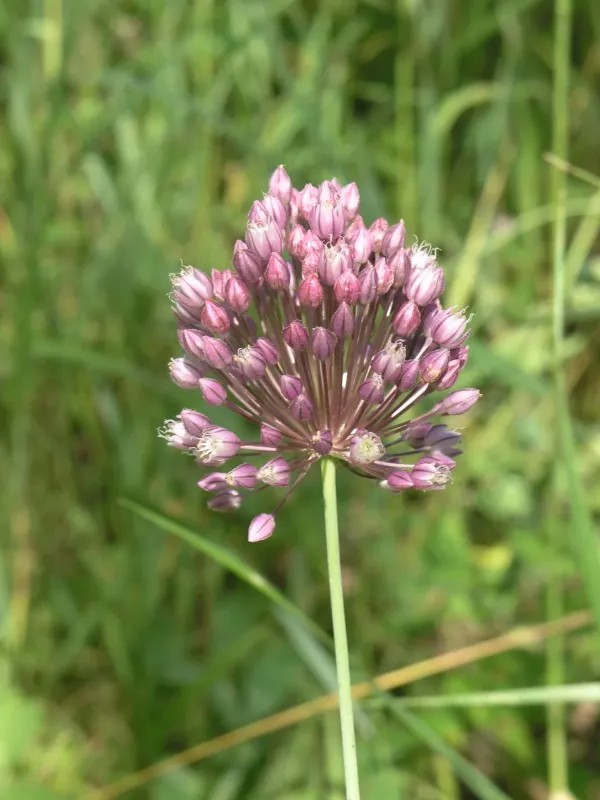
Description
Sowing dates
Allium erubescens belongs to the Amaryllidaceae family and is a perennial bulbous plant. In its natural environment, the species reproduces primarily through seeds that germinate after experiencing cold temperatures during winter months.
When cultivating, seeds should be sown in prepared, well-draining soil at a depth of approximately 1 to 2 centimeters. Stratification is often necessary to break seed dormancy if planted in a controlled environment.
Vegetative propagation is achieved by dividing bulb clusters during the dormant phase. This process should ideally occur after the foliage has died back completely, ensuring the bulbs are at maximum dormancy.
Seedlings typically exhibit slow growth during the first year, establishing only a small bulb and minimal foliage. Full maturity and the emergence of floral scapes are usually expected by the third year of growth.
Planting density depends on the landscape goals, though spacing of about 15–20 centimeters between plants is generally recommended to ensure proper air circulation and reduce competition for nutrients.
Growing requirements
Allium erubescens thrives in full sun exposure. Adequate light is crucial for the development of its characteristic inflorescences and for ensuring the bulbs accumulate enough energy for the subsequent season.
The plant requires well-drained soil, preferably sandy or loamy. It is highly intolerant of waterlogged conditions, which lead to bulb rot and fungal infections, especially during the dormant season.
The species is highly resilient and well-adapted to drought, making it an excellent choice for rock gardens or arid landscapes where other plants might struggle with heat and lack of moisture.
While the plant is hardy, it benefits from moderate watering during the active vegetative stage. Once the foliage begins to wither, water requirements drop significantly to prevent decay.
Soil fertility can be managed with organic compost or balanced slow-release fertilizers applied in early spring. Avoid excessive nitrogen, which can lead to lush leaf growth at the expense of flower production.
Main diseases and pests
The primary threats to Allium erubescens include fungal diseases such as downy mildew and various forms of root rot. These are almost always caused by improper drainage or excessive humidity.
Onion flies and thrips are common pests that can infest the plant. Infestations often manifest as yellowing or wilting leaves, requiring prompt intervention with integrated pest management techniques.
Pest damage to the bulb tissue provides entry points for soil-borne pathogens. Maintaining a clean growing environment and rotating planting spots helps mitigate these risks.
Invasive weeds can suppress the growth of young allium plants, making regular weeding an essential part of maintenance during the first two years of development.
- Ensure excellent soil drainage and aeration
- Monitor for signs of pest damage during late spring
- Remove and destroy severely infected plant material