
Chloranthum onion
Allium chloranthum Boiss.
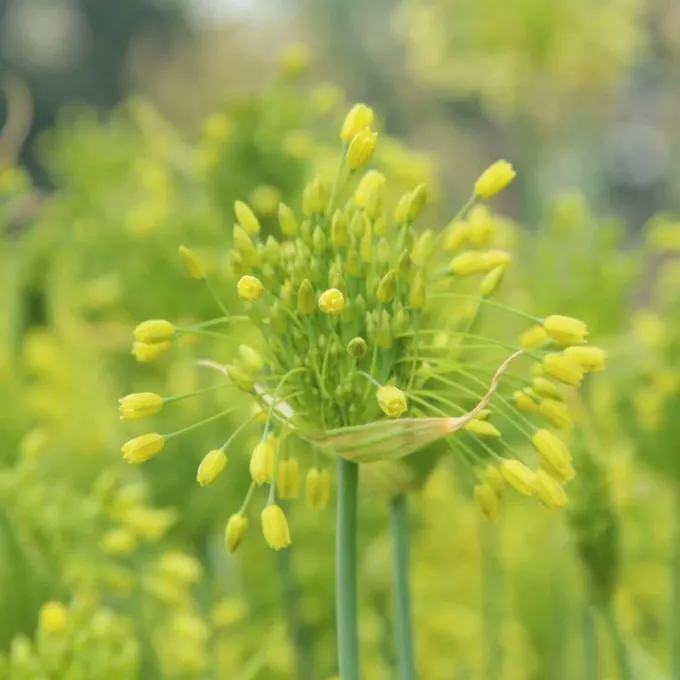
Description
Sowing dates
Seeds of Allium chloranthum are best sown in autumn, allowing them to undergo natural stratification over the winter. This process significantly improves germination rates when temperatures rise in the following spring.
When starting in containers, a light, porous soil mix should be used. The seeds should be lightly covered with fine substrate and placed in a cold frame to protect them from extreme fluctuations while ensuring exposure to cold.
Vegetative propagation via offsets is a reliable method for multiplying stocks. Bulbs should be divided and replanted during their dormant phase in late summer, once the foliage has naturally withered.
When planting, ensure adequate spacing between bulbs to promote airflow and minimize the spread of moisture-related pathogens. A spacing of 15-20 centimeters is generally recommended for optimal growth.
Initial watering should be thorough, but subsequent irrigation must be carefully managed. The goal is to keep the soil moist for root development without saturating the substrate to the point of risking stagnation.
Growing requirements
Allium chloranthum Boiss. is a perennial herbaceous plant belonging to the Amaryllidaceae family. Native to the mountainous regions of Turkey and Iran, this species is well-adapted to rugged, high-altitude environments.
The plant thrives in well-drained, stony or sandy soil that mimics its natural habitat. It is highly sensitive to waterlogging, which necessitates excellent drainage to prevent bulb rot during the dormant winter period.
Full sun is essential for the healthy development of this species. Adequate light intensity ensures robust growth of the foliage and supports the formation of high-quality inflorescences during the flowering season.
Regarding climate, Allium chloranthum prefers temperate conditions with distinct seasonal cycles. It is hardy enough to withstand cold winters, provided the soil is not excessively wet during periods of freezing temperatures.
In a horticultural context, it is best suited for rock gardens, gravel beds, or well-drained borders where its unique botanical characteristics can be fully appreciated by enthusiasts of rare bulbous plants.
Main diseases and pests
The primary threat to the health of Allium chloranthum is fungal pathogens, particularly those causing basal rot. These diseases thrive in environments with poor drainage and excessive moisture accumulation.
Insect pests, such as onion flies, represent a common challenge. Their larvae can burrow into the bulbs, causing severe damage. Integrated pest management, including regular crop rotation, is advised for prevention.
Thrips may infest the leaves during dry, hot weather, causing yellowing and a decline in vigor. Maintaining good plant health through proper watering and fertilization can help the plant better withstand pest pressure.
Viruses represent a risk to the longevity of the plant, often transmitted by aphids. Infected plants should be promptly removed to stop the cycle of transmission to neighboring healthy specimens.
General preventative strategies include the use of clean, disease-free planting material, maintaining optimal density, and ensuring the area is free from stagnant water to discourage the development of fungal spores.