
Wilson's Elm
Ulmus wilsoniana
Description
Growing requirements
Wilson's Elm (Ulmus wilsoniana) is a deciduous tree belonging to the Ulmaceae family. Originating from Eastern China, this species has gained international recognition for its unique architectural form and adaptation to diverse temperate climates.
The tree thrives in deep, fertile soils that provide adequate drainage. While it tolerates various soil types, it performs best in slightly acidic to neutral loam where moisture is consistent but not stagnant, ensuring robust root development.
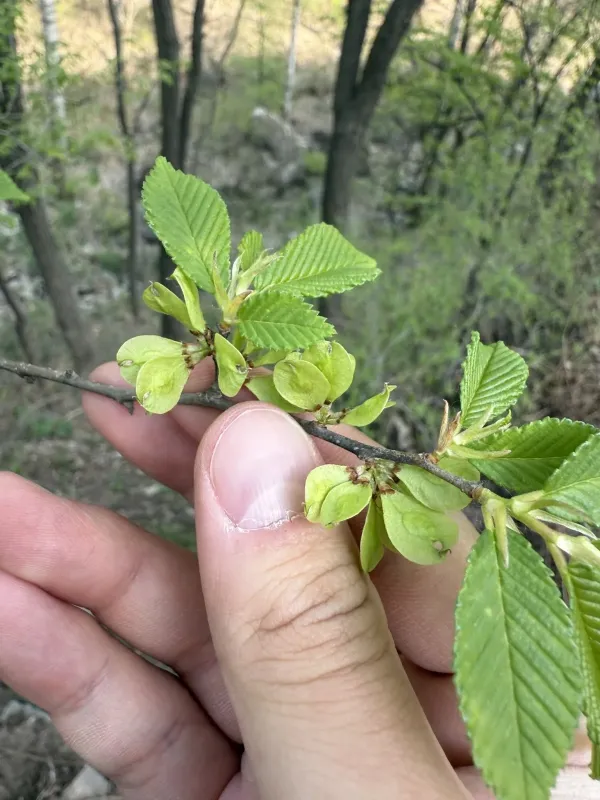
Botanically, it is known for its distinct exfoliating bark and lustrous, dark green foliage. Its growth habit is characterized by a graceful, spreading canopy that provides excellent shade, making it a highly valued specimen in urban forestry.
Agrotechnical management requires regular irrigation during the establishment phase, especially in regions with hot, dry summers. Once established, the tree demonstrates high drought tolerance and adaptability to changing seasonal conditions.
In terms of agricultural and landscape usage, Wilson's Elm serves as an ornamental staple and a vital genetic resource. Due to its hardiness, it is extensively used in hybrid programs to develop elms that can withstand urban stress and environmental challenges.
Main diseases and pests
The most significant advantage of Wilson's Elm is its notable resistance to Dutch Elm Disease, a pathogen that has devastated other elm populations globally. This trait makes it an ideal candidate for long-term landscaping projects.
Despite its disease resistance, the tree may occasionally suffer from leaf-feeding insects, such as elm leaf beetles, which can cause cosmetic damage. Integrated pest management, including monitoring and biological controls, is often sufficient for mitigation.
Environmental stress, such as extreme soil compaction or prolonged waterlogging, may weaken the tree's defense mechanisms. Ensuring proper aeration around the root zone is crucial for maintaining overall tree vitality.
Fungal issues, though rare in healthy specimens, can affect the wood if the tree suffers from significant physical damage. Proper pruning techniques, which prioritize the removal of dead or crossing branches, help maintain the tree's structural integrity.
Regular maintenance involving the removal of invasive weeds around the base and mulching can help retain soil moisture and prevent competition. A proactive approach to tree health ensures that Wilson's Elm remains a prominent feature in any collection.