
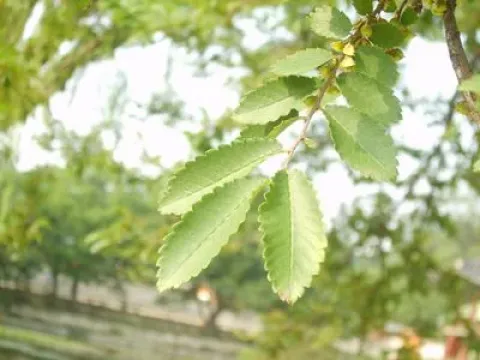
Hemiptelea
Hemiptelea
The propagation of Hemiptelea (Hemiptelea davidii) is primarily performed through seeds or stem cuttings. Seeds mature in mid-autumn and are best sown in late autumn to ensure natural stratification during the winter months.
What the section contains

Hemiptelea
For spring sowing, seeds require a cold stratification period of two to three months. A sowing depth of 1 to 2 centimeters is optimal for germination, providing the seeds with sufficient moisture while protecting them from surface drying.
Stem cuttings are taken in early summer, utilizing semi-hardwood shoots. They should be planted in a well-draining medium composed of peat and sand, kept consistently moist until strong roots develop.
When planting nursery saplings, ensure a spacing of 2 to 3 meters between individuals. This distance allows for proper crown development and airflow, which is essential for maintaining the tree’s overall vitality.
Young trees require protection from direct, intense sunlight and harsh winds during their first few years. In colder climates, protective winter wrapping is recommended to prevent frost damage to the trunk.
Hemiptelea belongs to the Ulmaceae family and is recognized as the sole species within its genus. It is a sun-loving plant that thrives best in full sun exposure, although it tolerates partial shade during its early stages.
The plant is versatile regarding soil, preferring deep, fertile, and well-draining loams with a neutral or slightly alkaline pH. Drainage is a priority, as stagnant water is detrimental to the plant's health.
Known for its robust cold tolerance, Hemiptelea is suitable for various climatic zones. Its ability to withstand urban air pollution makes it an excellent candidate for city landscaping and street planting.
While the tree is drought-tolerant once established, supplemental watering during prolonged dry spells promotes more vigorous growth and maintains the lush appearance of the foliage.
Originating from the mountainous regions of East Asia, the plant is naturally adapted to slopes and river valleys, necessitating planting sites that are sheltered from constant, drying winds.
The primary agricultural and landscape use of Hemiptelea is the establishment of protective hedgerows. Due to the thorny nature of its branches, it creates an effective, impenetrable barrier against intruders.
The wood of Hemiptelea is dense and durable, making it useful for small-scale carpentry or farm tools. While not a primary timber crop, its wood quality is highly valued for specific localized woodcrafts.
In landscaping, the plant is prized for its architectural form and resistance to pruning. It can be shaped into complex designs, providing both aesthetic beauty and functional wind protection for more delicate crops.
The species also contributes to soil stabilization due to its extensive root system, which helps prevent erosion on steep slopes or areas with light, sandy soil textures.
The long lifespan of the tree ensures low maintenance costs over time, making it an economically attractive choice for sustainable afforestation projects and large garden designs.
The plant is susceptible to common pests such as elm leaf beetles, which can cause significant defoliation during the peak of the growing season if left unmanaged.
Aphids and scale insects frequently colonize young shoots. Systemic insecticides applied early in the spring are effective in maintaining healthy growth and preventing secondary infestations.
Fungal diseases, including various leaf spot pathogens, are more common in high-humidity conditions or in dense, poorly ventilated plantings. Regular pruning helps mitigate these risks significantly.
Root rot is typically caused by over-irrigation or planting in heavy, saturated soils. Adjusting the irrigation frequency and improving soil drainage are critical steps in addressing root health issues.
During periods of extreme heat and water stress, the tree may become susceptible to boring insects, making proper irrigation and balanced fertilization vital for preserving the tree's natural defense mechanisms.