
Wallich elm
Ulmus wallichiana
Description
Growing requirements
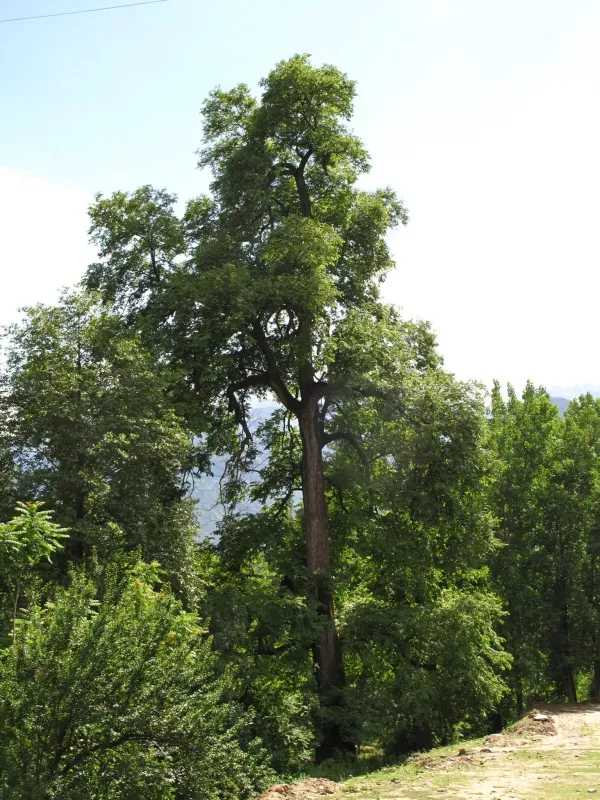
Wallich elm (Ulmus wallichiana) is a prominent deciduous tree belonging to the Ulmaceae family. It is recognized for its robust growth habit and characteristic scaly bark, which makes it a valuable species in both forestry and ornamental settings.
Native to the Himalayan regions of Asia, specifically extending across Afghanistan, Pakistan, and parts of India, this species is naturally adapted to mountain environments at significant altitudes. It thrives in regions characterized by cool winters and mild summers.
The tree requires well-drained, nutrient-rich soils to reach its full potential. It prefers deep, loamy substrates that allow for proper root development while preventing waterlogging, which the species is highly sensitive to during its early growth phases.
Climate adaptation is a key feature of this elm; it requires sufficient moisture throughout the growing season but is resilient once established. Providing shelter from strong winds during the first few years is essential to ensure a straight and healthy trunk formation.
Its economic importance lies in the quality of its wood, which is utilized for construction and high-grade furniture. Additionally, its aesthetic value makes it a suitable candidate for reforestation projects in highland areas where biodiversity restoration is needed.
Main diseases and pests
The primary concern for Ulmus wallichiana is Dutch elm disease (DED), caused by the fungus Ophiostoma. This vascular disease can be lethal, necessitating strict sanitation protocols in plantations to remove dead wood that could harbor the vector beetles.
Insect pests, particularly elm bark beetles (Scolytinae), pose a dual threat: they cause direct feeding damage and act as primary vectors for various fungal pathogens. Regular monitoring and use of pheromone traps can help manage beetle populations.
Fungal leaf spot diseases occur in humid conditions, which can lead to defoliation if left unchecked. Proper spacing between trees is crucial to ensure adequate airflow, which is a natural deterrent to many fungal outbreaks in forest stands.
Root pathogens such as Armillaria can affect the tree, especially if it is stressed by prolonged drought or poor drainage. Managing soil moisture and maintaining overall stand vigor are the best defensive strategies against these soil-borne threats.
Ongoing research is focused on breeding resistant varieties to ensure the long-term survival of the species in areas where the disease pressure is high. Integrated pest management (IPM) remains the standard for maintaining healthy plantations.