
Winged elm
Ulmus alata
Description
Growing requirements
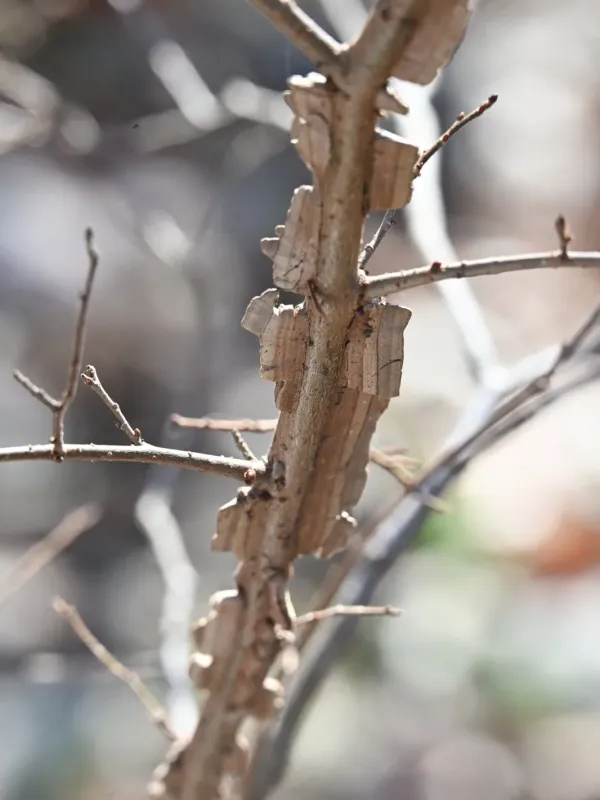
Winged elm (Ulmus alata) is a tree species belonging to the Ulmaceae family. It is easily recognized by the corky ridges that appear on its twigs, giving it a distinctive winged appearance.
Originating from the southeastern United States, this species is well-adapted to diverse habitats. It naturally thrives in moist floodplains but has proven to be incredibly hardy in dry, rocky soils.
The tree requires full sunlight for optimal growth and development. While it grows best in deep, fertile soil, its ability to tolerate poor and compacted ground makes it an excellent choice for reforestation efforts.
Climate tolerance is a key feature of the Winged elm. It withstands both the heat of Southern summers and cold winters, making it a versatile species for various planting zones and climates.
Cultivation practices involve proper spacing during initial planting to ensure healthy canopy formation. It is a low-maintenance tree that is highly valued for both urban greening and timber production.
Main diseases and pests
Dutch elm disease, caused by the fungus Ophiostoma, remains the most significant threat to the genus. Although the Winged elm exhibits moderate resistance, it is not immune to this devastating pathogen.
Various insects, including elm leaf beetles, can cause significant defoliation if left unchecked. Integrated pest management strategies are recommended to monitor and control beetle populations.
Scale insects and aphids may infest the bark or leaves, causing the tree to lose vigor. Applying dormant oils or insecticidal soaps can be effective when an infestation is identified early.
Root rot can occur in areas with poor drainage and standing water. Selecting sites with adequate soil aeration is crucial to prevent the development of these fungal infections.
Environmental stress, such as prolonged drought or physical damage to the trunk, often acts as a precursor to secondary pest attacks. Maintaining the tree's health through hydration is the best defense.