
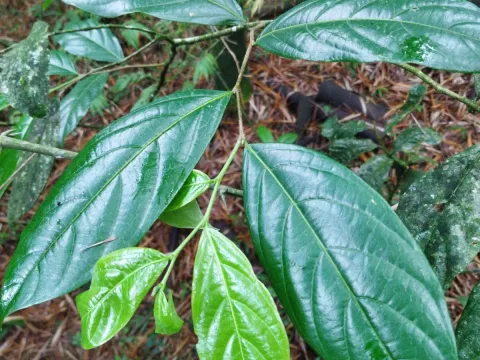
Ampelocera
Ampelocera
Ampelocera is a genus of evergreen trees belonging to the Ulmaceae (elm) family. These plants are native to the tropical forests of Central and South America, thriving in regions with high humidity and consistent tropical temperatures.
What the section contains

Ampelocera
This species requires fertile, well-drained soils to maintain vigorous growth. It is highly adapted to tropical conditions, meaning it cannot tolerate frost, prolonged drought, or environments with significant seasonal temperature fluctuations.
Botanically, Ampelocera is characterized by alternating leaves that often display an asymmetrical base, a trait common among many members of the Ulmaceae family. The trees typically reach significant canopy heights, playing a key ecological role in their native habitats.
Cultivation requirements involve maintaining soil moisture and providing sufficient shade during the early developmental stages. The plant is sensitive to soil compaction, which can impede root respiration and nutrient uptake in dense forest environments.
From an economic perspective, the timber of Ampelocera is harvested for various woodwork applications, including cabinetry and interior construction. Sustainable management is vital, as the species relies on specific tropical ecosystems to reproduce and thrive effectively.
The primary threats to Ampelocera include deforestation and the loss of natural habitat, which fragment its distribution. Like many tropical tree species, it is susceptible to wood-boring insects that target the trunks of weakened or aging trees.
Fungal pathogens pose a persistent risk, especially in environments with stagnant air or poor water drainage around the root zone. Root rot is a common issue when the soil remains waterlogged for extended periods, weakening the tree's overall stability.
Protection strategies for Ampelocera involve sustainable forest practices and monitoring for signs of decay or localized pest outbreaks. In nursery settings, ensuring adequate ventilation and spacing is critical to preventing the spread of mold and leaf diseases.
Weed control is essential for juvenile trees to ensure they receive adequate sunlight and soil nutrients during their establishment phase. Integrated pest management practices are often applied to minimize the impact of boring insects on nursery stock.
Continuous monitoring of forest health is essential for the longevity of the population. Preventive measures against mechanical damage to the bark are crucial, as wounds provide entry points for secondary infections and pests.