
Long-stalk maple
Acer longipes Franch. ex Rehder
Description
Growing requirements
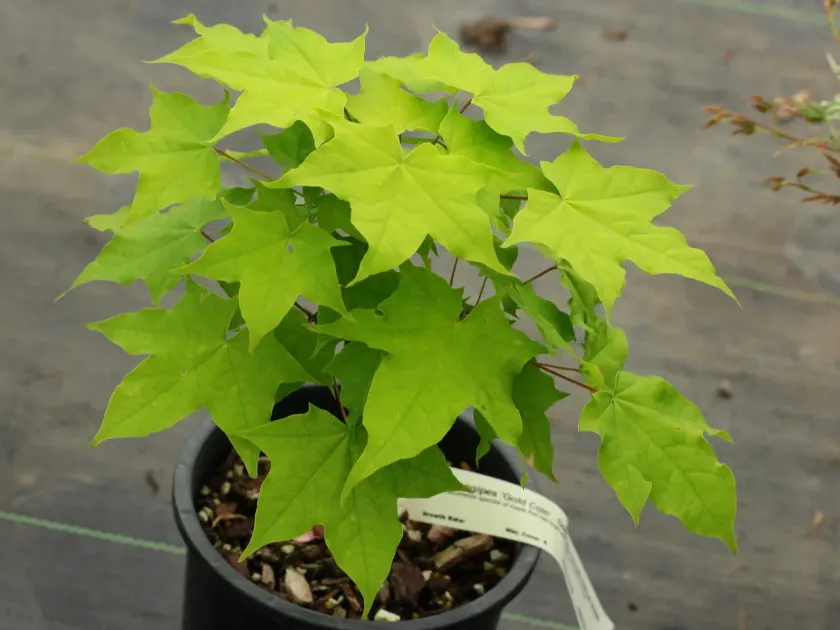
Acer longipes, commonly known as the long-stalk maple, is a deciduous tree species belonging to the Sapindaceae family. It is recognized primarily for its distinctive, elongated leaf stalks that support a multi-lobed canopy.
The species originates from temperate forest regions in China. It thrives in well-drained, fertile soil compositions and demonstrates a preference for sites with stable moisture levels throughout the growing season.
In terms of climatic requirements, this maple prefers temperate conditions with adequate rainfall. It is moderately shade-tolerant during its juvenile stages but requires full to partial sun exposure to achieve optimal growth rates and structural development as it matures.
Agricultural management includes site preparation that ensures good soil aeration. Mulching around the base is recommended to regulate soil temperature and prevent rapid moisture evaporation during dry spells.
The primary use of Acer longipes is in ornamental horticulture. Its unique foliage shape and vibrant autumn coloration make it a highly desirable choice for landscaping, urban park plantings, and botanical collections.
Main diseases and pests
The species is susceptible to powdery mildew, especially in environments with high humidity and poor air circulation, which can hinder proper leaf photosynthesis.
Pests such as aphids and leaf-eating beetles can cause aesthetic and physiological damage. Monitoring the canopy for signs of infestation is essential for maintaining the tree's health.
Root rot pathogens may become a threat if the soil remains waterlogged for extended periods, stressing the tree and making it vulnerable to secondary infections.
Pruning is a crucial management practice; removing dead or diseased branches helps improve airflow through the canopy and reduces the risk of fungal buildup.
Integrated pest management, including the use of targeted biological controls and safe chemical applications, is advised when monitoring thresholds are exceeded.