
Longipes maple
Acer longipes x Acer platanoides
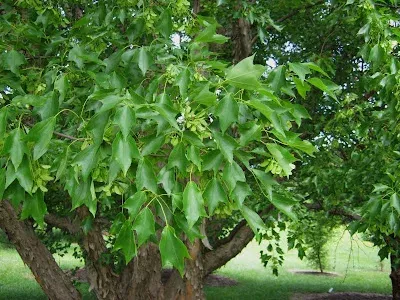
Description
Growing requirements
The longipes maple (Acer longipes x Acer platanoides) is a hybrid plant belonging to the Sapindaceae family. This tree exhibits a unique blend of traits from its parents, featuring elegant long petioles and a robust, adaptable structure typical of the Norway maple lineage.
The species thrives in well-drained, nutrient-rich soils that maintain consistent moisture levels without waterlogging. It is best suited to temperate zones where it can experience distinct seasonal cycles, which are vital for its healthy growth and dormancy stages.
Light requirements for this hybrid are relatively flexible, although it prefers full sun to partial shade for optimal foliage development. Adequate sunlight exposure helps ensure the leaves reach their full size and develop characteristic vibrant colors.
Agricultural management requires consistent watering during the establishment phase, especially in regions with hot, dry summers. Mulching the base of the tree is highly recommended to regulate soil temperature and retain moisture in the root zone.
In terms of practical use, the longipes maple is primarily valued as an ornamental specimen in urban landscaping, park developments, and private estates. Its ability to tolerate various environmental stresses makes it a durable choice for greening projects.
Main diseases and pests
The main fungal threats include powdery mildew, which can significantly affect foliage quality if left untreated. Regular monitoring and application of appropriate fungicides during humid weather are essential for disease prevention.
Verticillium wilt remains a critical issue for many maple species, often persisting in the soil. Proper site selection and ensuring healthy drainage are the best ways to mitigate the risk of this serious soil-borne infection.
Insect pests, such as various species of leaf-eating beetles and caterpillars, can cause noticeable damage during the peak growing season. Integrated pest management (IPM) practices should be implemented to maintain ecological balance.
Aphid infestations are common on young shoots, often leading to the accumulation of honeydew and subsequent sooty mold growth. Early detection and treatment help keep the tree canopy healthy and aesthetically pleasing.
Sanitation practices, such as pruning damaged branches and clearing away diseased leaf litter, are vital for maintaining tree health. These actions significantly reduce the inoculum levels for various pathogens throughout the garden or nursery.