
Trimeria
Trimeria
Trimeria is a genus of evergreen trees or shrubs that belongs to the willow family, Salicaceae. Formerly associated with the Flacourtiaceae family, it is now taxonomically placed within the Salicaceae. These plants are native to the African continent, where they thrive in tropical and subtropical forest habitats.
What the section contains

Trimeria
The culture requires well-drained, fertile soil with a neutral to slightly acidic pH balance. For optimal growth, Trimeria prefers exposure to bright, filtered light and protection from extreme wind. Maintaining constant soil moisture is essential; however, the grower must avoid waterlogging, which can lead to rapid root rot.
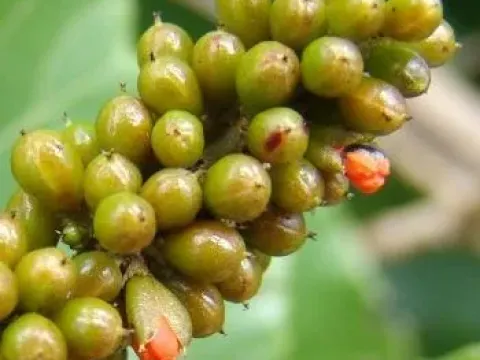
Botanically, the plant is characterized by leathery, alternate leaves with serrated margins. It produces small, inconspicuous flowers arranged in racemes. The fruit is a capsule that splits to release seeds. This structural design is adapted for propagation in diverse tropical environments, including forest edges and clearings.
Economically, Trimeria is significant in local traditional medicine. Its leaves and bark contain various secondary metabolites, which are used to treat inflammatory conditions. These pharmacological properties are currently being explored by researchers to identify potential new applications in medicine and herbal supplement industries.
Climatic requirements restrict the cultivation of this species to frost-free regions. It performs best in temperatures ranging from 20°C to 28°C. In areas with significant seasonal temperature drops, protected agriculture or greenhouse environments are mandatory to ensure the survival and vigor of the plantings.
The primary threats to Trimeria include fungal infections, which flourish in high-humidity settings if air circulation is insufficient. Furthermore, common agricultural pests such as spider mites, aphids, and scale insects can infest the foliage, leading to chlorosis and reduced metabolic efficiency of the plant.