
Dovyalis
Dovyalis
Dovyalis is a genus of plants belonging to the family Salicaceae. These plants are primarily shrubs or small trees that originate from the tropical and subtropical regions of Africa and Asia, adapting to various climatic conditions within these zones.
What the section contains


Dovyalis
The crop requires specific soil conditions, preferring well-drained, fertile soils with a neutral or slightly acidic pH. While the plant is notably drought-tolerant, consistent irrigation during the active growing season is essential for achieving optimal fruit yields.
Sunlight exposure is a crucial factor for healthy development. Dovyalis thrives in open areas protected from strong winds, as young branches can be somewhat fragile. The plant can withstand short periods of low temperatures, but sustained production requires frost-free climates.
Botanically, many species are characterized by the presence of sharp thorns on their branches, which makes them effective for use as natural barriers or hedges. The leaves are simple, leathery, and vibrant green, contributing to the plant's ornamental value throughout the year.
Agronomic management includes regular pruning, which serves both to shape the canopy and to stimulate the growth of new fruiting wood. Proper spacing is vital in commercial orchards to prevent overcrowding and ensure adequate light penetration to the inner branches.
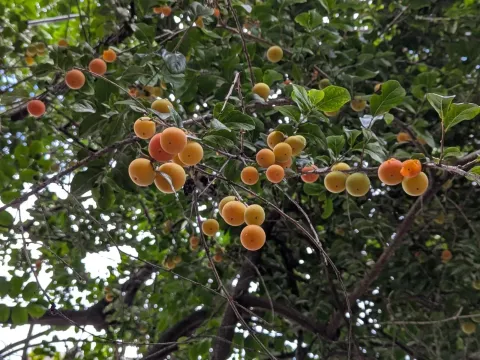
The economic value of Dovyalis lies in its edible, succulent fruits. Depending on the species, such as Dovyalis caffra, the fruits often have a sharp, acidic flavor, making them highly suitable for the production of jams, jellies, and artisanal sauces.
Yield capacity depends significantly on the age of the tree and the intensity of horticultural management. Mature, well-maintained trees are capable of producing heavy fruit crops, providing a reliable source of produce in suitable agricultural regions.
The main pathological issues for Dovyalis often stem from excessive soil moisture, which may lead to root rot. Maintaining proper soil aeration and avoiding waterlogging is critical to prevent these fungal infections.
Common pests include scale insects and aphids, which target young foliage and stems. Integrated pest management, including prophylactic sprays and periodic removal of damaged branches, is usually sufficient to maintain plant health.
Harvesting the crop requires careful handling due to the sharp thorns present on the branches. Fruit is typically picked by hand once it reaches full color and softness, indicating it has reached the peak of maturity for processing or consumption.