
Banara
Banara
Banara is a genus of trees and shrubs belonging to the Salicaceae family. These plants are native to the tropical regions of the Americas, where they are typically found in moist forest understories and clearings. The genus is widely distributed across various tropical ecosystems in Central and South America.
What the section contains
Banara
The culture thrives in a stable, warm climate with high levels of humidity. It is strictly non-hardy and requires protection from frost and cold winds. Consistent moisture is vital for the plant's health, making it an excellent candidate for humid tropical zones but unsuitable for temperate or arid environments.
Soil requirements for Banara focus on fertility and drainage. The plants prefer well-drained, nutrient-rich soils that allow for robust root development. Adding organic matter to the substrate helps in maintaining the required soil moisture while preventing waterlogging, which is a major threat to these tropical trees.
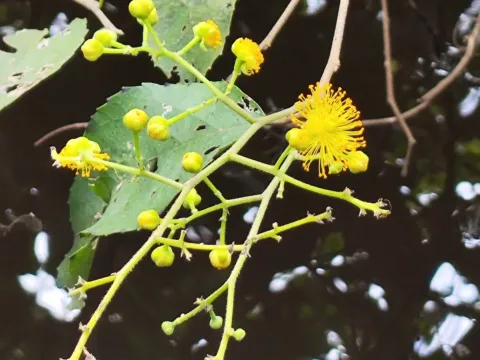
From a botanical standpoint, Banara species are characterized by their evergreen habit and alternate, leathery leaves that help reduce transpiration. The flowers are typically small and arranged in axillary inflorescences. The fruit development process is adapted to local pollinators and seed dispersal agents in the forest canopy.
In terms of хозяйственное (economic) utility, Banara is primarily valued for its ornamental potential in tropical gardens and parks. While not a major industrial crop, the wood is sometimes used by local communities for small-scale projects, and the plant remains a significant component of local biodiversity.