
Douglas fir
Pseudotsuga menziesii (Mirb.) Franco var. menziesii
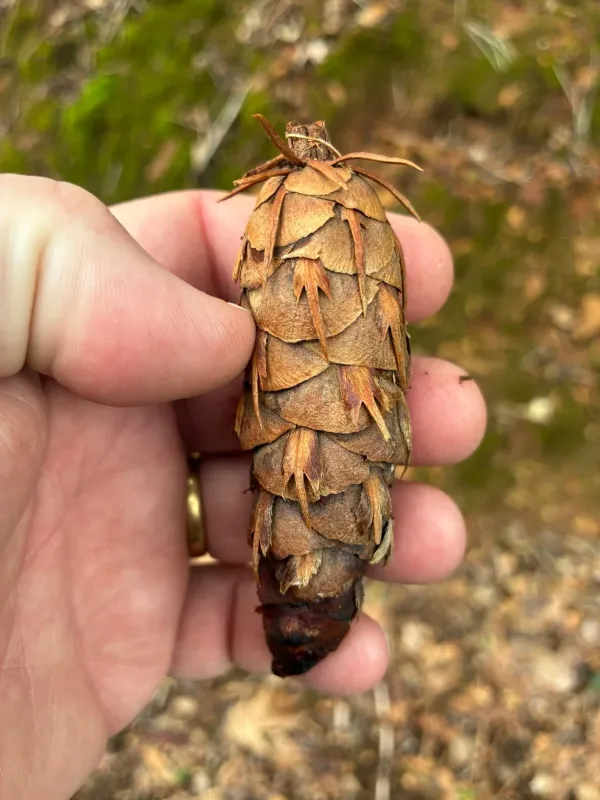
Description
Sowing dates
The cultivation of Douglas fir typically begins with seed stratification, which is essential to break dormancy and ensure uniform germination. Seeds are stored at low temperatures for several weeks before being sown in early spring.
In nursery settings, seeds are planted in well-drained, nutrient-rich potting media at a depth of approximately 1 to 1.5 cm. Maintaining consistent soil moisture during the germination phase is critical for successful seedling development.
Containerized seedlings are increasingly popular, as they provide a protected root environment and ensure higher survival rates when outplanted into forestry sites. Greenhouse conditions allow for controlled growth during the first year.
Shade management is crucial for young Douglas firs; intense sunlight can scorch seedlings, while adequate light is needed for photosynthesis. Protective netting or partial shade is used during the first 1–2 years.
Once seedlings reach the appropriate size, usually after 2–3 years of nursery care, they are transplanted to their permanent locations. This stage requires careful handling to avoid damage to the root system.
Growing requirements
Douglas fir is a member of the Pinaceae family, native to western North America. It thrives in deep, fertile, and well-aerated soils that remain consistently moist throughout the growing season.
The tree prefers a temperate climate with moderate rainfall and cool, humid conditions. It is sensitive to excessive heat and prolonged drought, which can significantly inhibit its growth and development.
Regarding soil chemistry, Douglas fir prefers slightly acidic conditions. Soils with high pH or excessive lime content often lead to nutrient deficiencies and slower biomass accumulation, reducing the quality of the timber.
While seedlings exhibit high shade tolerance, mature trees require significant sunlight to maintain vigorous growth rates. Proper thinning of plantations is essential to ensure each tree receives adequate resources.
Adequate drainage is vital for this species, as stagnant water in the root zone can trigger root rot diseases. Site selection must prioritize locations with natural drainage to support the long-term health of the stand.
Yield
Douglas fir is one of the most productive timber species in the world, valued for its rapid growth rate and high-quality wood. It is a cornerstone of modern industrial forestry and plantation management.
The average yield of timber can be significant under optimal site conditions, often exceeding that of many other native conifers. Managed plantations allow for a sustainable and recurring harvest cycle.
The timber produced is prized for its high strength-to-weight ratio, making it ideal for structural applications, construction, and high-end joinery. It is also used extensively in the pulp and paper industry.
Beyond wood production, Douglas fir provides significant environmental benefits, including carbon sequestration and soil stabilization. Its fast growth contributes to its efficiency as a forest-grown crop.
- High structural integrity of the wood.
- Rapid biomass accumulation.
- Strong market demand for construction timber.
- Versatility in decorative and structural uses.
- Effective species for reforestation programs.
Main diseases and pests
Fungal diseases like Swiss needle cast can severely impact tree health by causing premature needle drop. Effective management includes selecting resistant seed sources and maintaining proper stand spacing.
Pests, such as the Douglas-fir beetle and various defoliating insects, can damage the tree's vascular system or foliage. Regular monitoring and integrated pest management strategies are necessary to prevent outbreaks.
Root rot, particularly caused by Phellinus weirii, is a major concern in some regions. This pathogen can persist in soil, making site preparation and the selection of healthy planting stock essential preventive measures.
Environmental threats, such as late spring frosts and ice storms, can cause physical damage to the leading shoots. Protective practices and proper site selection help mitigate these abiotic risks significantly.
Competition from fast-growing weeds and brush during the early years can starve seedlings of light and nutrients. Weed control measures, either mechanical or chemical, are critical for the survival of young plantations.