
Blue Douglas fir
Pseudotsuga menziesii (Mirb.) Franco var. glauca (Beissn.) Franco
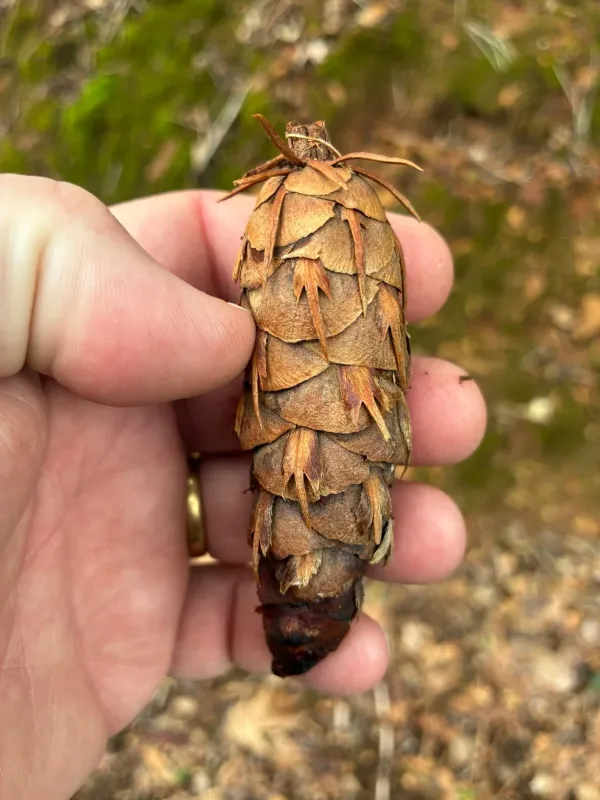
Description
Sowing dates
Sowing of Blue Douglas fir seeds is performed in nurseries during early spring. A soil temperature of approximately 10 degrees Celsius is optimal for consistent germination of the seeds.
Seeds must undergo a stratification process lasting 6 to 8 weeks in cold, moist conditions to break dormancy. This practice significantly increases the percentage of successful germinations.
The seeds are sown at a shallow depth of 1-2 centimeters in a well-draining, nutrient-rich substrate. Consistent moisture is critical during the first month to support the development of the primary root.
Seedlings require partial shade during their first growing season to prevent dehydration. This protective layer also guards the young plants against harsh sun and drying winds that can cause early mortality.
Transplanting to the final plantation site is best done when the saplings reach 3 or 4 years of age. During this stage, the root system is robust enough to handle the stress of moving.
Growing requirements
The Blue Douglas fir is a member of the Pinaceae family, known for its superior adaptability to cold and arid environments. It is significantly more drought-tolerant than the coastal variety of the species.
This tree thrives in deep, well-drained loamy soils. While it can handle various substrates, it performs best on sites where moisture is available but never stagnates, as waterlogging is highly detrimental.
Sunlight is a major requirement for healthy development. The tree grows best in full sun, which allows for maximum photosynthesis and the development of a strong, dense, and symmetrical canopy.
The species is highly resilient to cold winters and late spring frosts, making it a popular choice for high-altitude reforestation. Its root system is deep and expansive, providing excellent structural stability.
Regular maintenance involves keeping the area free from competing weeds during the first few years of growth. This allows the tree to focus its energy on vertical development and root establishment.
Main diseases and pests
Common pests include the Douglas fir adelgid, which feeds on the foliage. Heavy infestations can lead to needle chlorosis and premature drop, which significantly weakens the overall tree health.
Fungal diseases like Swiss needle cast can impact stands under stressed conditions. Management of this threat focuses on improving air circulation and preventing excessive humidity within the canopy.
Root rot fungi pose a significant risk in areas with poor drainage. Once established, these diseases are difficult to treat, making prevention through proper site selection the most effective strategy.
Bark beetles may target stressed or weakened trees in older stands. Maintaining high stand vigor through proper spacing and thinning is the primary method of controlling these destructive insects.
- Monitoring for needle discoloration and pests.
- Ensuring correct planting density.
- Removing infected trees to prevent spreading.
- Applying integrated pest management strategies.