
Determa
Ocotea rubra Mez
Description
Growing requirements
Determa (Ocotea rubra) is a prominent tree species belonging to the Lauraceae family. It is recognized for its massive stature and high-quality wood, playing a significant role in South American tropical forests.
Native to the Amazon Basin and the Guianas, this species thrives in humid tropical environments. It requires significant rainfall and consistent high humidity, flourishing in well-drained, deep, and nutrient-rich soils.
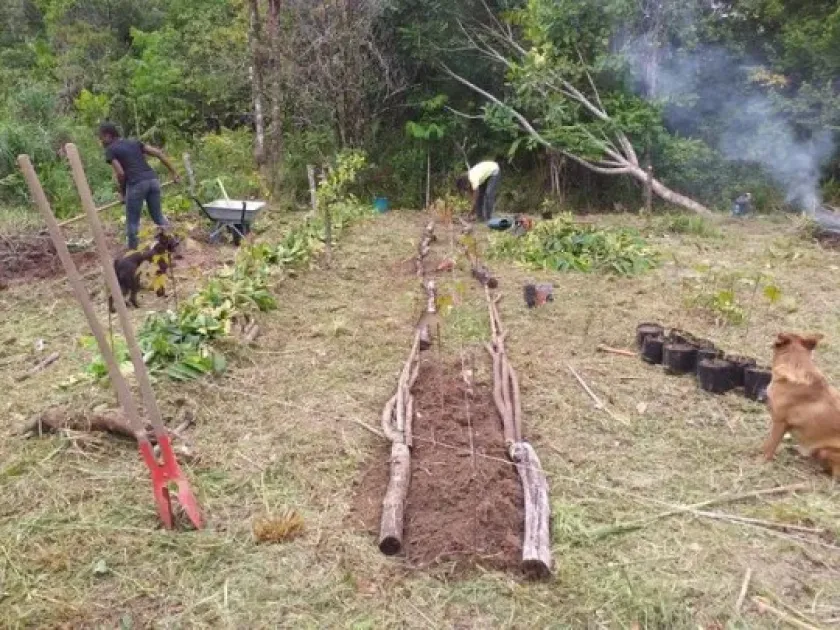
Agronomic management of Ocotea rubra involves careful site selection to avoid areas with waterlogging, which the species poorly tolerates. Young trees benefit from partial shade, mimicking the forest canopy, before they emerge into the light.
The tree exhibits a relatively slow growth rate in its juvenile stage, requiring patience and targeted silvicultural interventions. Proper spacing is essential to encourage upward growth and reduce the development of excessive lower branches.
Soil health is critical; the species is sensitive to extreme pH fluctuations. Maintenance programs often focus on preserving soil organic matter to support the deep root system characteristic of this large species.
Harvesting
The primary economic value of Determa lies in its high-durability timber. It is highly resistant to insect attacks and fungal decay, making it a preferred choice for various demanding construction applications.
Industry usage includes the production of boat decking, durable exterior furniture, and high-end cabinetry. Its reddish-brown heartwood is aesthetically pleasing and offers excellent workability despite its density.
Harvesting operations are strictly regulated under sustainable forestry management plans. These plans ensure that the rate of extraction does not exceed the natural regeneration capacity of the forest populations.
Post-harvest processing involves precision drying to manage the wood's moisture content, which is crucial for preventing checking or warping during manufacturing. This ensures the material meets international export standards.
Strategic forest management also includes post-harvest reforestation efforts, where seedlings are planted in degraded areas to ensure the continued existence of this valuable tropical asset.