
Andaman persimmon
Diospyros andamanica
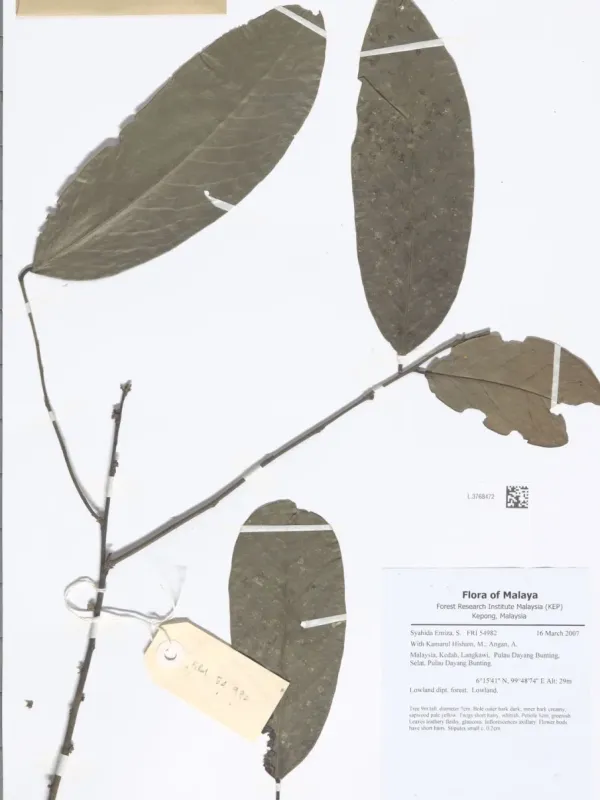
Description
Growing requirements
Andaman persimmon (Diospyros andamanica) is an evergreen tree species belonging to the Ebenaceae family. Native to the Andaman Islands and regions of Southeast Asia, this plant thrives in tropical rainforest conditions characterized by high humidity and consistent warm temperatures throughout the year. It does not possess a dormant period typical of temperate deciduous persimmon varieties.
Successful cultivation requires fertile, well-draining soil with a neutral to slightly acidic pH. The root system is susceptible to rot if waterlogged, making excellent drainage a top priority for site selection. The tree prefers dappled shade during its juvenile stage, although it can tolerate more direct exposure as it matures, provided the soil remains moist.
Cultural requirements involve maintaining high atmospheric humidity levels, which is vital for the physiological health of this tropical species. Irrigation must be consistent; however, the soil should never remain saturated for extended periods. It is strictly a tropical plant, meaning it cannot survive temperatures below 15 degrees Celsius, necessitating protected cultivation in non-tropical climates.
Propagation is typically done through seeds, requiring fresh material to ensure high germination rates. Growth rates for Diospyros andamanica are generally slow, requiring patience from the grower. Pruning is recommended mainly for sanitation and maintaining the structural integrity of the crown, ensuring that inner branches receive adequate light penetration.
Economically, the tree is primarily recognized for its high-density timber, which is a common characteristic within the Diospyros genus. While the fruits are edible, they are not currently a staple in global commercial markets. Instead, the plant is primarily cultivated by botanical gardens, enthusiasts, and collectors interested in rare tropical Ebenaceae species.
Main diseases and pests
The primary threats to this plant are fungal infections, particularly root rot, caused by excessive moisture or poor aeration of the substrate. Maintaining a hygienic growing environment is essential for preventing the spread of pathogens that thrive in warm, humid conditions.
Pest management should focus on monitoring for scale insects and mealybugs, which are common in tropical greenhouses. Integrated pest management, including regular inspection and the use of insecticidal soaps or horticultural oils, is effective in managing these populations without damaging the plant's health.