
Rough persimmon
Diospyros scabrida
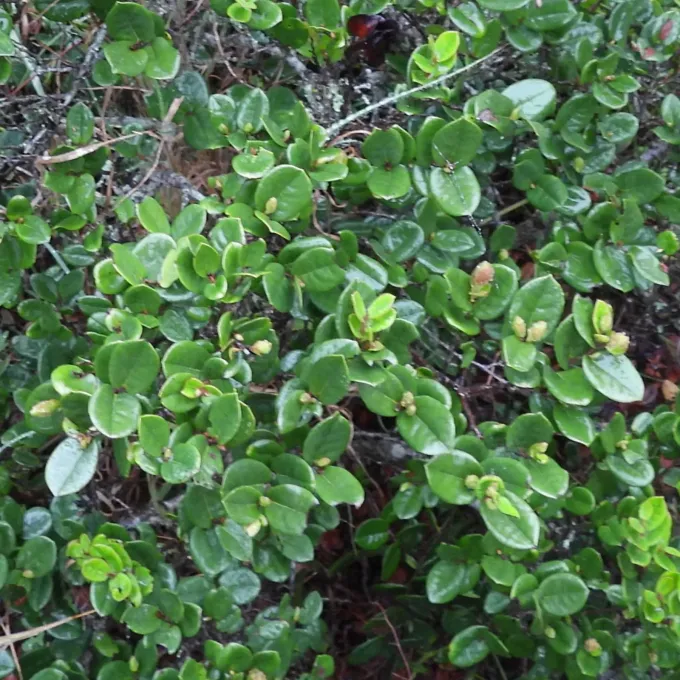
Description
Growing requirements
Rough persimmon (Diospyros scabrida) belongs to the Ebenaceae family. It is an evergreen tropical tree primarily native to African forests, known for its distinct botanical characteristics and environmental adaptability.
The plant thrives in warm, humid conditions that reflect its natural habitat. It requires protection from direct cold drafts and frost, making it suitable for tropical and warm subtropical climates only.
Optimal growth conditions involve well-drained, fertile soil with a slightly acidic profile. Waterlogging should be strictly avoided as it can cause rapid decline in the plant's health and root rot.
Sunlight requirements include high exposure to filtered or direct light, depending on the specific age of the tree and local temperature extremes. Proper spacing is essential to ensure adequate air circulation.
Routine horticultural maintenance includes organic fertilization during the growing season and periodic soil aeration. Managing moisture levels consistently is critical for vegetative health.
Harvesting
The economic value of this species lies in its edible fruits, which are locally valued for their nutritional profile and unique flavor. They are consumed fresh and are considered a useful minor food crop.
The wood of Diospyros scabrida is characterized by high density and durability, consistent with other ebony species. While not widely harvested commercially, it is valued for small-scale woodcraft.
Harvesting is typically done by hand once the fruit reaches the appropriate stage of maturity. Careful handling is necessary to maintain the shelf life and prevent surface bruising of the delicate skin.
Post-harvest techniques for this fruit require cool storage to prevent enzymatic breakdown. The fruit is perishable and ideally consumed or processed shortly after harvesting.
Future agricultural prospects for the crop involve selecting high-yield varieties and studying its potential role in permaculture systems within suitable geographic zones.