
Rhomboid-leaf persimmon
Diospyros rhombifolia
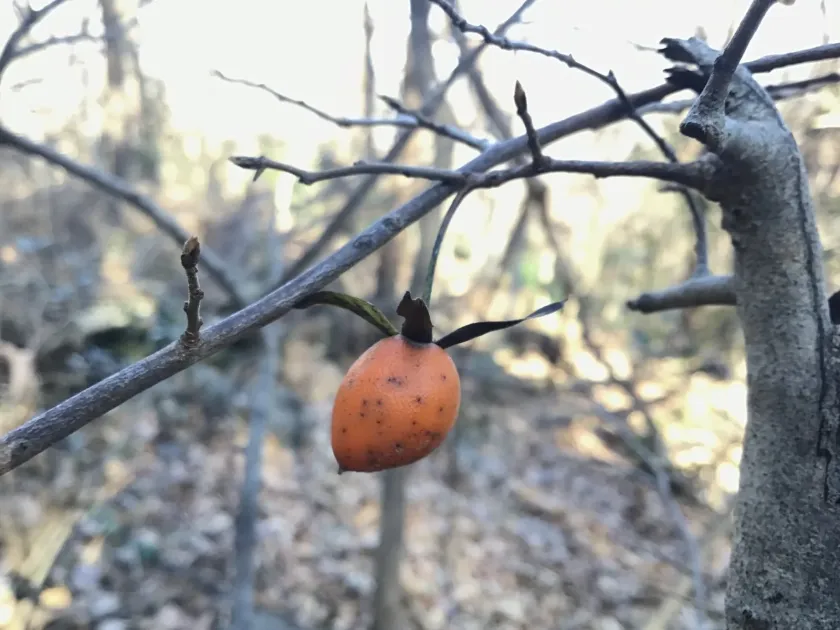
Description
Growing requirements
The rhomboid-leaf persimmon (Diospyros rhombifolia) belongs to the Ebenaceae family and is native to Eastern China. This species is recognized for its unique, diamond-shaped foliage and is highly valued in horticulture for its ornamental architecture, particularly in the art of bonsai.
This crop thrives in subtropical climates that offer mild winters and warm summers. It requires a sunny location with partial shade during the peak heat of the day to prevent leaf scorch. Due to its limited frost hardiness, it is often kept in pots in regions with cold winters.
Soil requirements focus on high drainage and moderate nutrient density. A mix consisting of loam, compost, and grit is ideal for ensuring that the roots remain aerated. Avoiding waterlogging is critical, as the species is susceptible to root decay when exposed to stagnant water.
Agrotechnical care includes consistent watering during the growing season and periodic fertilization. Applying a balanced NPK fertilizer during spring and early summer supports the development of the distinct leaf shape and encourages vigorous stem growth for future pruning.
Pruning is an essential aspect of managing this plant, especially when it is utilized for decorative purposes. Regular pinching of new growth helps to maintain a compact, dense structure, ensuring the plant remains attractive throughout the year and displays its characteristic rhomboid leaves effectively.
Main diseases and pests
Fungal infections such as powdery mildew are the most common issue, particularly in humid and enclosed environments. Improving air circulation around the canopy and avoiding overhead watering during the evening hours are essential preventative measures against these pathogens.
Scale insects present a significant risk by attaching to the bark and stems to extract sap. Monitoring the plant for small, brown, or waxy bumps on twigs is crucial; immediate removal or treatment with horticultural oils can effectively eliminate these pests.
Spider mites may infest the plant during prolonged dry spells or in very low humidity. If mites appear, frequent misting of the foliage and the application of suitable acaricides will restore the health and vitality of the leaves, preventing premature yellowing.
Root rot caused by overwatering or poorly draining soil remains a major threat to the survival of the plant. If the soil remains saturated for extended periods, the root system fails to breathe, leading to rapid decline and potential death of the specimen.
Leaf spot diseases, often triggered by pathogenic bacteria or fungi, may cause brown or black lesions on the foliage. Maintaining hygiene by removing fallen leaves and ensuring the plant has adequate space prevents the spread of these minor yet unsightly infections.