
Diospyros quiloensis
Diospyros quiloensis
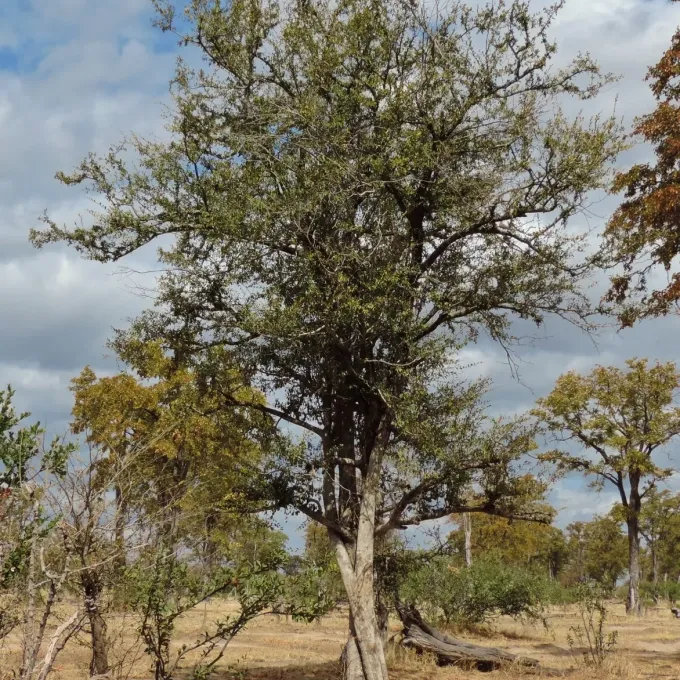
Description
Growing requirements
Diospyros quiloensis is a member of the Ebenaceae family, native to the savanna and woodland regions of East and Southern Africa. It is a slow-growing tree known for its high-density wood.
The climate requirements for this species are strictly tropical. It thrives in areas with high average temperatures and distinct dry and wet seasons, avoiding any frost risk.
Regarding soil preferences, it is quite hardy and can adapt to various types, including rocky or gravelly soils. However, deep, well-draining loamy soils are ideal for achieving maximum height and vigor.
Sun exposure is a critical factor for juvenile plants. They require ample sunlight to develop a strong central leader, although some protection in the early seedling stage may be beneficial.
Maintenance of the growing environment involves keeping the soil aerated. In professional settings, regular inspections of the soil structure are necessary to ensure proper drainage.
Yield
The primary economic output of Diospyros quiloensis is its wood. It belongs to the group of trees that produce ebony-like timber, prized for its hardness, dark color, and high polish potential.
The fruit of the tree is edible and traditionally consumed within its natural range. While not a primary commercial orchard crop, it serves as a valuable food source for local communities.
Yields in natural populations are highly variable depending on rainfall cycles. In controlled environments, growers focus on optimizing tree canopy density to influence overall health and biomass production.
The tree also holds cultural and ecological significance. It acts as a keystone species in some African woodlands, providing habitat for various pollinators and local fauna.
Future development of this crop could involve sustainable forest management practices to ensure a consistent supply of its high-quality timber for artisanal and manufacturing industries.
Main diseases and pests
Pests such as wood-boring beetles present the greatest threat to the timber quality. Infestations can ruin the inner core of the wood, making it unusable for fine furniture manufacturing.
Fungal infections, particularly leaf spot diseases, can occur during periods of high humidity. These infections impact the photosynthetic capacity of the tree, potentially stunting growth.
Integrated pest management strategies are essential, involving the use of biological agents to control population surges of insects without harming the local ecosystem.
Sanitation practices, such as removing dead wood and clearing debris around the trunk base, are crucial to reducing the risk of fungal spore accumulation and spread.
Growers should also watch for root rot if the trees are planted in low-lying areas where water tends to stagnate for extended periods, as this can be lethal to the species.