
Diospyros pilosanthera
Diospyros pilosanthera
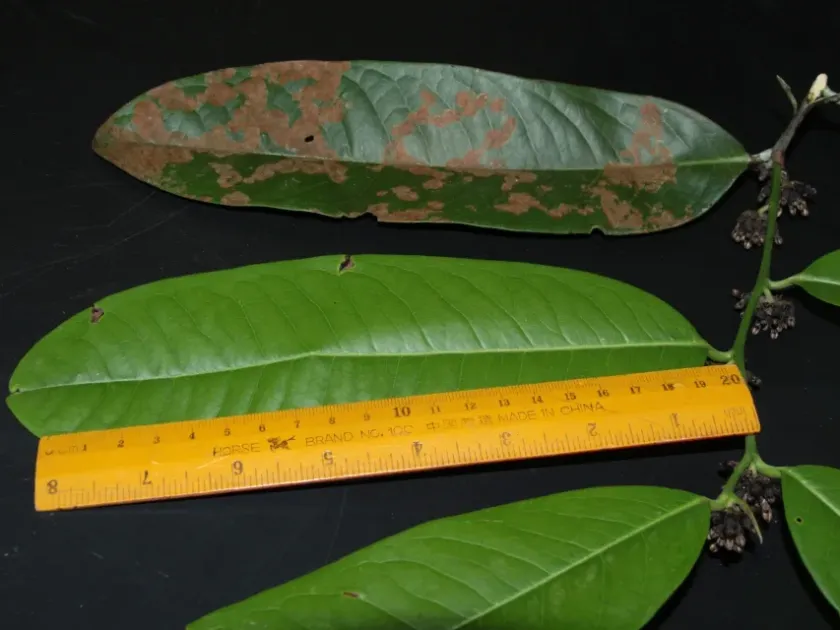
Description
Growing requirements
Diospyros pilosanthera is a tropical tree species belonging to the Ebenaceae family, native to the rainforests of Southeast Asia. It is primarily valued for its durable and high-density timber, which is often utilized in fine woodworking.
The cultivation of this species requires a hot and humid tropical climate without significant seasonal temperature drops. It thrives best in regions where the annual rainfall is abundant and evenly distributed throughout the year.
Soil requirements include deep, nutrient-rich substrates with excellent drainage capacity. It is essential to avoid sites prone to waterlogging, as excessive moisture in the root zone can lead to physiological stress and root rot.
While seedlings may exhibit tolerance to shade, mature trees require adequate exposure to direct sunlight to ensure optimal growth and wood density. Proper spacing between individual trees is necessary to minimize competition for light and soil nutrients.
Maintaining balanced soil fertility through organic amendments is beneficial. Agronomists often recommend monitoring the pH levels to ensure the soil environment remains within the optimal range for the Ebenaceae family.
Harvesting
Harvesting Diospyros pilosanthera is a long-term agricultural endeavor, as the species is known for its slow growth rate. The timber is prized for its dark color, high hardness, and ability to hold intricate detail.
Techniques for harvest involve selective logging, which helps to maintain the ecological balance of the surrounding tropical ecosystem. Sustainable forestry practices are essential to ensure the longevity of the species.
Post-harvest processing involves careful seasoning and drying of the wood to prevent warping and cracking. This attention to detail preserves the material's superior structural and aesthetic properties for high-end applications.
Common uses for the timber include the production of musical instrument components, premium furniture, and ornate carvings. The market demand for such high-quality hardwood remains consistently high globally.
Modern management of these stands often incorporates enrichment planting strategies to maintain forest cover while simultaneously fostering the development of economically viable timber resources for the future.