
Mabolo
Diospyros philippinensis
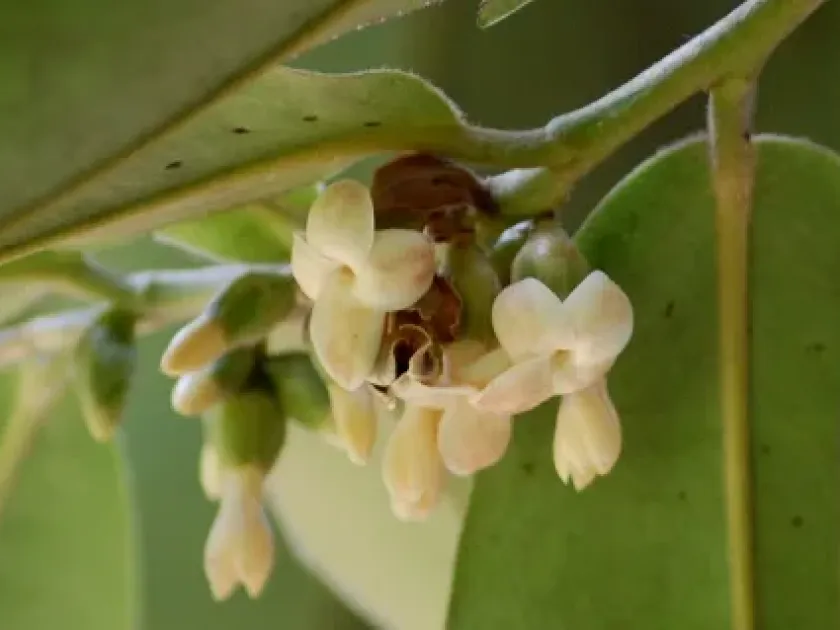
Description
Growing requirements
Mabolo (Diospyros philippinensis), also known as velvet persimmon, belongs to the Ebenaceae family. It is an evergreen tree characterized by a dense, conical or rounded crown and large, dark green leathery leaves that provide a striking aesthetic value.
Native to the Philippines and regions of Southeast Asia, this species thrives in humid tropical climates. It requires warm temperatures throughout the year, as it is highly sensitive to frost and cool spells that can damage its growth cycles.
The tree prefers deep, rich, and well-draining soils. It is adaptable to various soil types, but thrives best in fertile loams that maintain consistent moisture levels without becoming waterlogged, which is critical for root health.
Proper agronomic care involves regular irrigation during dry periods and moderate fertilization with organic matter to support fruit production. Providing sufficient space for root development is essential, as the tree can grow quite large over time.
Economically, the tree is cultivated for its unique fruit, which has a distinct velvety skin and edible, creamy, mildly sweet flesh. Furthermore, its timber is prized as a variety of ebony, known for its extreme hardness and dark color.
Main diseases and pests
The Mabolo tree is susceptible to common tropical pests, including scale insects and mealybugs, which tend to congregate on the undersides of leaves and on young, succulent stems, extracting vital plant sap.
Fungal leaf spot diseases are frequently observed in high-humidity environments. These pathogens cause necrotic spots on leaves, which, if left untreated, can lead to severe defoliation and a general weakening of the tree's immune system.
Root rot, often caused by Phytophthora species, remains a major threat when soil drainage is poor. Improving aeration and avoiding excessive irrigation are the primary preventive measures against these soil-borne pathogens.
Fruit flies and various boring beetles can infest ripening fruits and trunks, respectively. Implementing a pest management plan that includes physical barriers and environmentally friendly traps is highly recommended.
Regular tree inspection is vital for the early detection of stress signals. Maintaining a balanced nutrient program and good garden hygiene significantly bolsters the tree's natural resistance to common local pests and diseases.