
Perrier persimmon
Diospyros perrieri
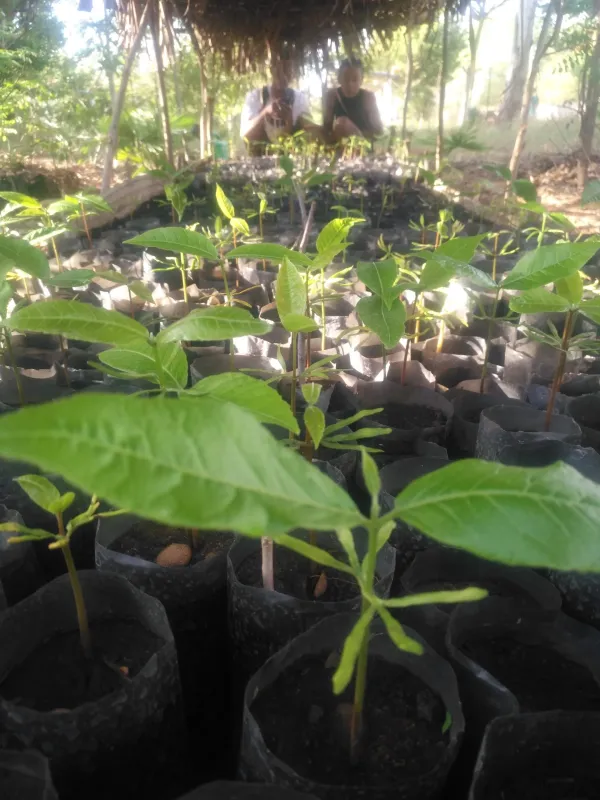
Description
Growing requirements
Perrier persimmon, botanically identified as Diospyros perrieri, is a distinct species belonging to the Ebenaceae family. It is primarily native to the unique island ecosystems of Madagascar, where it plays a critical role in local biodiversity.
As a tropical tree, it thrives in warm, humid climates where frost is completely absent. It requires significant sunlight for canopy development, although young saplings often benefit from partial shade during their establishment phase.
Soil requirements involve well-draining, nutrient-rich substrates that mimic the forest floor composition of its native habitat. A slightly acidic to neutral pH is considered optimal for nutrient uptake and root health.
Cultivation practices necessitate a careful water management strategy. While the tree appreciates consistent soil moisture, waterlogging must be avoided at all costs to prevent root asphyxiation, a common issue in intensive cultivation.
The tree exhibits a moderate to slow growth rate, common among members of the Diospyros genus. Regular monitoring of growth patterns is advised to determine the necessity of minor pruning or fertilization during the peak vegetative season.
Main diseases and pests
The primary threats to the survival of Diospyros perrieri in the wild are habitat destruction and climate shifts affecting its narrow environmental niche. In cultivation, it faces several pests and diseases common to tropical Ebenaceae.
Scale insects and spider mites are frequent invaders that target the foliage and stems. Integrated pest management strategies, utilizing both cultural controls and targeted applications, are necessary for maintaining plant vigor.
Root rot, often caused by pathogenic fungi such as Phytophthora, presents a major risk if the soil structure becomes compacted or poorly drained. Improving soil aeration is a standard preventive measure against these pathogens.
Leaf spot diseases, which manifest as chlorotic or necrotic areas, usually stem from overly humid conditions with poor airflow. Maintaining proper spacing between trees is essential to reduce the spread of such infections.
Nutritional imbalances can also mirror disease symptoms, making it vital to perform regular soil and leaf tissue analyses to ensure the tree receives essential trace elements.