
Diospyros pendula
Diospyros pendula
Description
Growing requirements
Diospyros pendula is an evergreen tree species belonging to the Ebenaceae family. Known for its distinct growth habit, it is native to the tropical forests of Southeast Asia, thriving in stable, warm environments.
The species requires well-drained, fertile soil, ideally with a neutral to slightly acidic pH level. It does not tolerate waterlogging, so proper drainage is essential for maintaining the health of its sensitive root system.
In terms of climate, it demands consistently high humidity and temperatures. It is highly intolerant of frost, which limits its outdoor cultivation to tropical or subtropical zones where temperatures rarely dip near freezing.
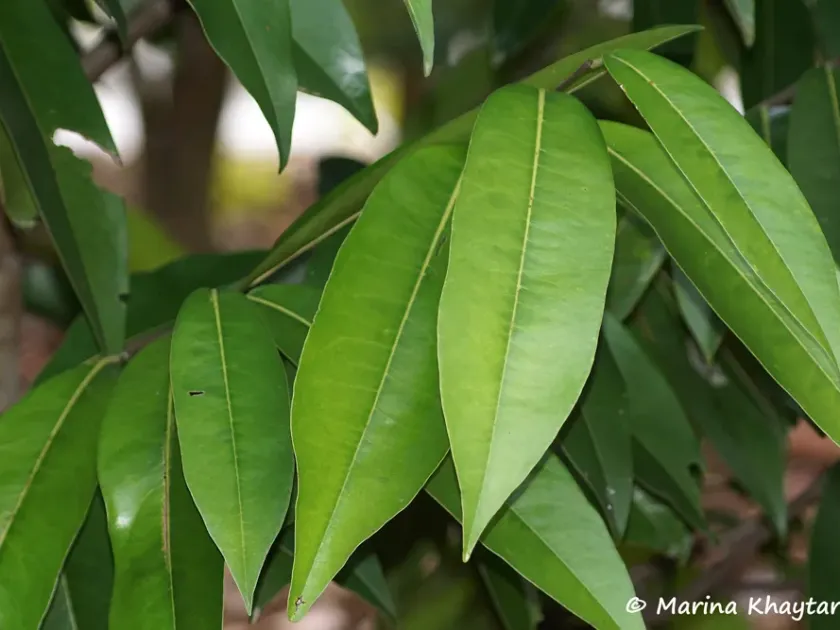
Botanically, the tree is recognized by its drooping, pendulous branches, which give the species its common and specific name. The leaves are leathery and dark green, well-adapted to capturing sunlight in the understory of dense forests.
For successful growth in a cultivated setting, the plant needs protection from harsh winds that might snap the delicate branches. It performs best in areas with dappled sunlight, mimicking its natural ecological niche.
Yield
The agricultural yield of Diospyros pendula is currently not of significant commercial interest on a global scale. It is primarily valued as a botanical specimen and a genetic resource within the Diospyros genus.
The fruits are edible but characterized by a high tannin content, necessitating thorough ripening before consumption. They are generally smaller than the more popular commercial persimmon cultivars like Diospyros kaki.
Yield levels depend heavily on environmental conditions such as light intensity and consistent soil moisture throughout the fruit-set phase. Seasonal variations can lead to inconsistent harvest volumes in wild-growing populations.
Apart from fruit production, the species is occasionally studied for the quality of its wood, which shares characteristics with other ebony-producing trees. This gives it potential value in specialized forestry rather than fruit agriculture.
Future research may focus on cross-breeding to improve the flavor and size of the fruits. Currently, the tree is better suited for botanical gardens and specialized collections rather than intensive, large-scale orchards.
Main diseases and pests
Fungal diseases represent a major threat to Diospyros pendula, particularly in environments with poor air circulation. Leaf spot and various mildews can cause severe damage if not managed early.
Common pests include scale insects and mealybugs, which thrive in protected or warm environments. These pests feed on the sap, causing foliage discoloration and weakening the overall vigor of the tree.
Root rot is a common ailment associated with improper irrigation practices. If the soil remains saturated for too long, the roots become susceptible to various soil-borne pathogens that can quickly lead to tree collapse.
Preventative care involves ensuring good airflow and routine monitoring for signs of infestation. Integrated Pest Management (IPM) strategies, including biological controls, are recommended to maintain tree health.
Early identification of pest colonies is crucial for successful treatment. Maintaining a balanced nutrient regime and avoiding excessive stress, such as drought or overcrowding, help the plant resist biological threats more effectively.