
Oval-leaf persimmon
Diospyros ovalifolia
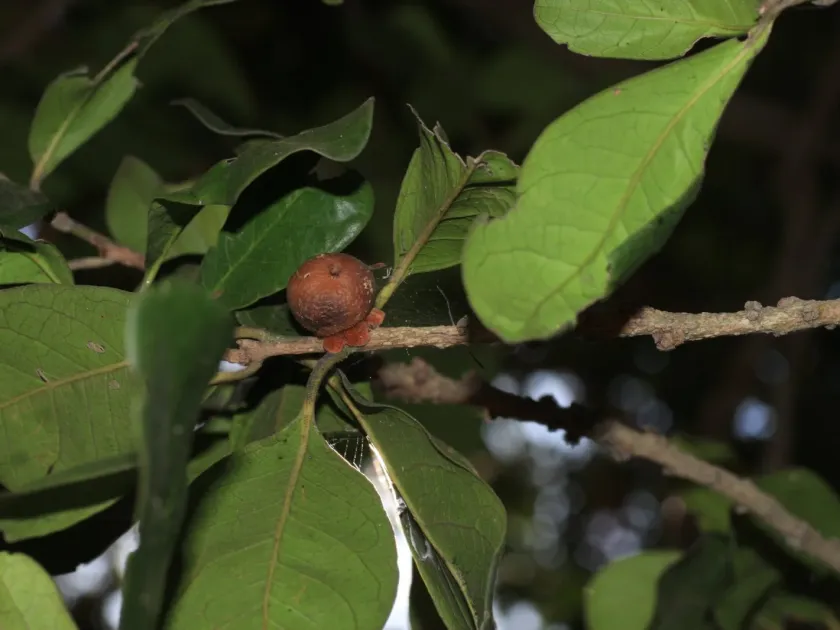
Description
Growing requirements
The oval-leaf persimmon (Diospyros ovalifolia) belongs to the Ebenaceae family. It is an evergreen woody species characterized by its distinctive oval-shaped leaves, which serve as its primary diagnostic feature in the field.
The plant originates from the tropical and subtropical regions of Southeast Asia, with its primary natural range centered on Sri Lanka. It thrives in humid environments where the annual temperature variance remains consistently low throughout the year.
Successful cultivation requires nutrient-rich, well-draining soils with a neutral or slightly acidic pH balance. The root system is particularly sensitive to waterlogging, necessitating the selection of well-drained planting sites.
Climatic requirements are strict; the species is highly intolerant of frost and requires stable, warm temperatures to complete its growth cycle. Irrigation management is essential, especially during periods of low rainfall in the growing season.
In terms of economic utility, the fruits of this species are harvested for consumption in local markets. Like many members of the Diospyros genus, the tree is also noted for its potential for high-quality wood, characterized by significant density and resilience.
Main diseases and pests
The main threats to the health of Diospyros ovalifolia include fungal pathogens that exploit high humidity and poor soil drainage. Maintaining proper airflow within the canopy is crucial for disease prevention.
Pest pressure is primarily driven by sap-sucking insects, such as scale insects and mealybugs. Regular scouting of the foliage is recommended to manage populations before they cause structural damage to the plant tissue.