
Diospyros oocarpa
Diospyros oocarpa
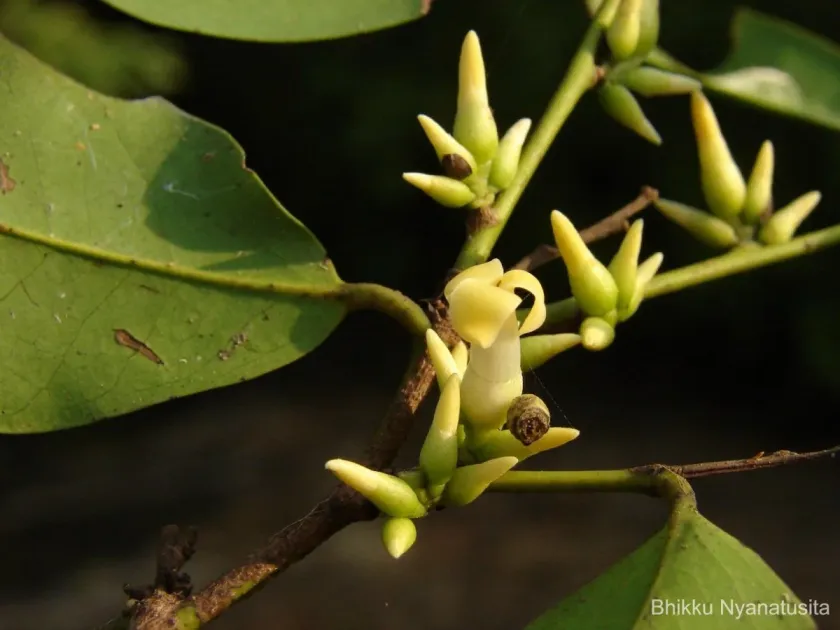
Description
Growing requirements
Diospyros oocarpa is an evergreen tree belonging to the Ebenaceae family. Native to the tropical regions of Southeast Asia, this species thrives in humid forest environments and requires specific climate conditions to flourish.
The tree demands a warm, tropical climate with no frost exposure. Ideally, temperatures should remain within a stable range throughout the year to prevent physiological stress, as the plant is highly sensitive to cold weather.
Soil requirements involve well-draining, nutrient-rich mediums. Waterlogging must be strictly avoided, as the root system of Diospyros oocarpa is prone to fungal pathogens if exposed to excessive stagnant moisture for prolonged periods.
Regarding light, the species prefers full sun for optimal canopy development, though juvenile trees benefit from partial shade to mimic their natural understory environment during the initial growth stages.
Proper agricultural practices include systematic fertilization with balanced macro and micronutrients. Maintenance of high soil fertility and optimal pH levels is crucial for achieving vigorous vegetative growth and sustained fruit production.
Harvesting
The primary economic value of Diospyros oocarpa lies in its edible fruits, which are harvested for local consumption and artisanal trade. The fruits are characterized by their distinct egg-like shape and unique flavor profile.
Harvesting is performed manually to preserve the integrity of the fruit. Growers monitor the changes in skin texture and color closely, as picking the fruits at the correct maturity level is essential for post-harvest quality.
Post-harvest management involves careful sorting and gentle handling. The fruits are generally delicate and require storage in ventilated containers to prevent bruising and to maintain freshness during the transition to local markets.
In addition to fruit production, the species is recognized for its valuable timber. Being a member of the ebony genus, the wood possesses desirable physical properties, including high density and a fine-grained texture.
To maximize yields, intensive management of the plantation is required, focusing on canopy thinning and pest monitoring. Consistent attention to these factors helps to ensure a productive and healthy orchard environment over the long term.