
Natal ebony
Diospyros natalensis
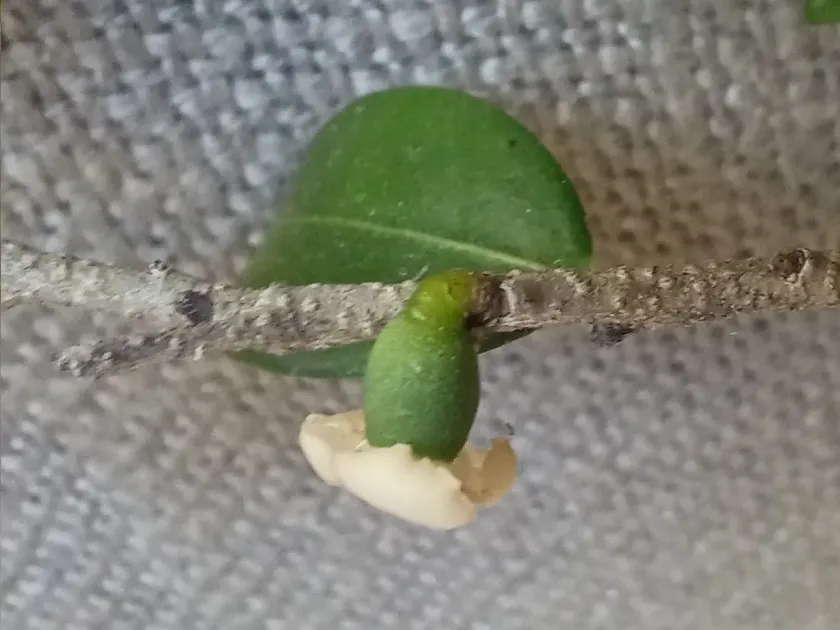
Description
Growing requirements
Natal ebony (Diospyros natalensis) is a member of the Ebenaceae family. It is an evergreen small tree or shrub, typically found in South Africa, that can reach considerable height under favorable environmental conditions but remains smaller in restricted spaces.
The plant thrives in subtropical climates and is highly sensitive to frost. For optimal growth, it requires full sun exposure and a location sheltered from strong, drying winds that can cause physical damage to its delicate branches and foliage.
Regarding soil, the Natal ebony is adaptable, though it performs best in well-drained, fertile loamy soils. It cannot tolerate waterlogged conditions, which can lead to root rot and other fatal physiological disorders in the plant system.
Consistent moisture management is essential, especially for younger trees during their establishment phase. While mature plants show reasonable drought tolerance, supplemental watering during the peak growing season ensures healthy development.
In landscape architecture, the species is highly valued for its dense, glossy foliage and its role in ecological restoration projects. Its ability to serve as a robust rootstock adds significant value to its agricultural application.
Main diseases and pests
Natal ebony is susceptible to several common pests including scale insects and mealybugs. These pests thrive in dry conditions and can sap the vitality of the tree if infestations are not controlled at an early stage of development.
Fungal leaf spots and powdery mildew are the most frequent pathological threats. These issues are typically triggered by poor air circulation within the canopy or excessive moisture during the rainy season, necessitating careful pruning.
Root-knot nematodes present a hidden threat, particularly in poorly prepared or sandy soils. Implementing crop rotation or using sterilized growing media in nursery conditions is vital for preventing the initial infestation of the roots.
During the warmer months, the tree may attract various wood-boring insects, which can create entry points for secondary infections. Routine inspections are necessary to identify damage early and mitigate the spread of pests.
Overall management should focus on maintaining tree vigor through balanced nutrition and proper hydration, as healthy plants are significantly more resistant to both pest attacks and environmental stress factors.