
Soft persimmon
Diospyros mollis
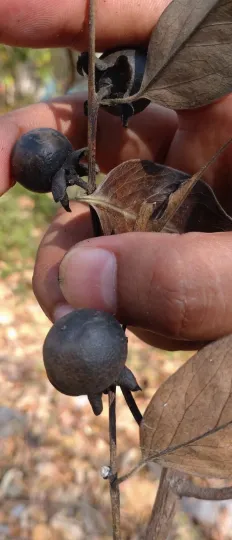
Description
Growing requirements
Soft persimmon (Diospyros mollis) is a fruit-bearing tree species belonging to the Ebenaceae family. It is distinct due to the velvety texture of its foliage and the specific physiological properties of its fruit.
The plant originates from Southeast Asia, primarily thriving in tropical and subtropical regions. It requires high humidity and warm temperatures throughout the year to maintain its growth cycles.
Ideal soil conditions for this species include fertile, well-draining loams with a neutral pH. It is crucial to prevent waterlogging, as the root system is highly susceptible to hypoxia if the soil structure is too compacted.
Regarding climatic needs, this crop does not tolerate cold stress. It is strictly limited to frost-free zones where the temperature remains consistently favorable for photosynthesis and development.
Economically, the tree is harvested for its fruits, which are consumed locally. Additionally, its wood is valued for its density and dark coloration, making it a sustainable choice for artisanal woodworking in its native range.
Main diseases and pests
The primary threats to Diospyros mollis involve fungal infections triggered by high rainfall. These pathogens can cause significant defoliation and fruit decay if not managed through proper canopy hygiene.
Pests such as scale insects and mealybugs are frequently observed on this crop. They infest stems and leaves, causing structural damage and reduced fruit set through sap extraction.
Integrated Pest Management (IPM) is recommended to mitigate these issues. This involves balancing biological controls, such as beneficial insects, with targeted chemical interventions when necessary.
Canopy management through regular pruning is vital. By opening the crown to sunlight and airflow, the microclimate becomes less hospitable to fungal spores and humidity-loving pests.
Regular field scouting is essential to identify early signs of infestation or disease. Early intervention helps maintain tree vigor and ensures consistent yield across the production cycles.