
Minahassa persimmon
Diospyros minahassae
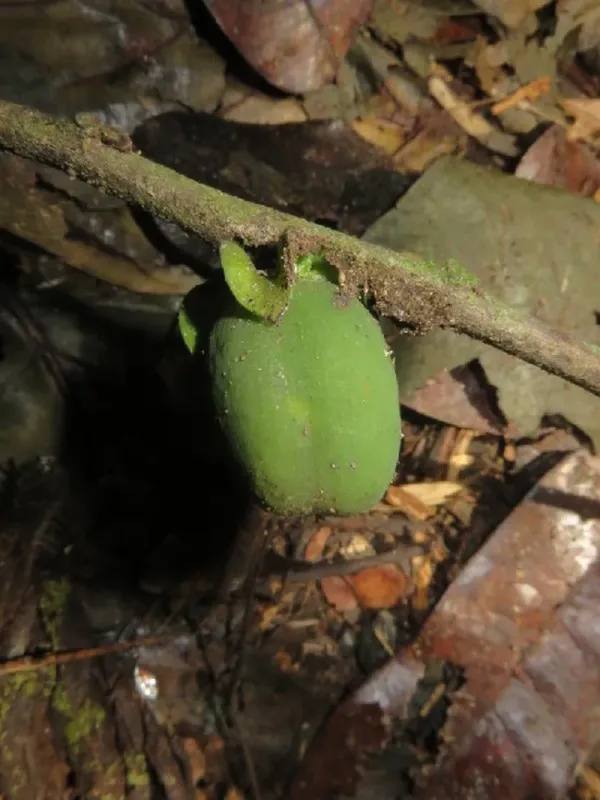
Description
Growing requirements
The Minahassa persimmon (Diospyros minahassae) is an evergreen tree species belonging to the Ebenaceae family. It is a rare endemic species native to Indonesia, specifically the island of Sulawesi, where it thrives in humid tropical rainforest environments.
The plant is biologically adapted to equatorial climatic conditions characterized by high atmospheric humidity and consistently warm temperatures throughout the year. Successful growth requires fertile, well-drained soils rich in organic matter, typical of forest ecosystems in this region.
In cultivation, the species requires protection from direct sunlight and strong winds during its early stages, reflecting its natural habitat as an understory tree. Agricultural practices focus on maintaining consistent soil moisture while ensuring proper drainage to prevent root system stress caused by anaerobic conditions.
Economic utility is currently limited to local consumption and traditional uses. The fruits are consumed by local communities, and the wood, consistent with other Diospyros species, may hold value for localized artisanal manufacturing.
Given the scarcity of information on large-scale production, propagation is typically handled through seed cultivation in controlled nursery settings, which aids in preserving the genetic integrity of this restricted species.
Main diseases and pests
The primary threats to Diospyros minahassae in its natural habitat include deforestation and human-induced environmental degradation. Its status as an endemic species makes it highly susceptible to local microclimate shifts in the Sulawesi region.
Common pests affecting this crop include scale insects and various spider mites, which thrive in high-humidity environments and can severely affect tree vitality if not monitored effectively.
Fungal diseases are a frequent concern, particularly when ventilation is poor or soil moisture management is neglected. These pathogens can compromise leaf health and damage the root collar of juvenile trees.
Fruit infestation by fruit flies represents a significant challenge for tropical fruit producers, necessitating integrated pest management strategies to protect the harvest during the ripening phase.
Specialists emphasize that due to the species' ecological fragility, management practices should prioritize biological control methods and maintaining optimal growing conditions over reliance on aggressive chemical intervention.