
Diospyros mespiliformis
Diospyros mespiliformis
Description
Growing requirements
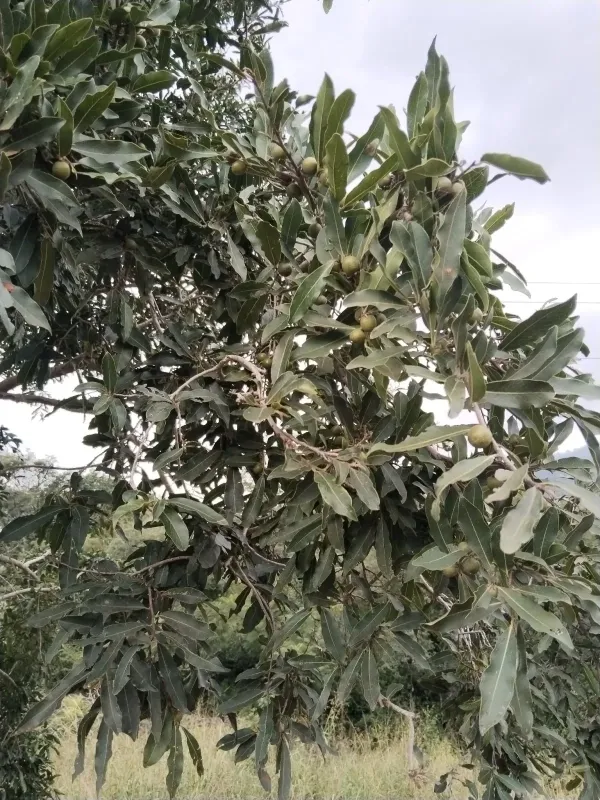
Diospyros mespiliformis, commonly known as the African ebony or jackal berry, is a prominent evergreen tree belonging to the Ebenaceae family. It is native to the savanna regions of Africa, typically thriving along riverbanks and in areas with fertile, well-draining soils.
The tree is strictly tropical and requires high temperatures throughout the year to flourish. It has no tolerance for frost and performs best in locations with abundant sunlight and a distinct climate that provides sufficient moisture during the establishment phase.
In terms of soil requirements, it prefers sandy or loamy textures that allow for deep root penetration. While the species is remarkably drought-tolerant once established, its growth is significantly improved in environments where the water table is accessible but not stagnant.
Agricultural management involves careful site selection to ensure protection from harsh winds and to maximize exposure to sunlight. Proper spacing is essential to allow the tree to develop its dense canopy fully, which is characteristic of the species.
Propagation is typically achieved through seeds, although professional nurseries may employ grafting techniques on related rootstocks to improve vigor and ensure the uniformity of characteristics in plantation settings.
Yield
This tree usually reaches reproductive maturity between 7 and 10 years of age. It produces abundant crops of small, round, edible fruits that turn from green to yellow or dark brown upon reaching peak ripeness.
The fruits are rich in sugar and are traditionally utilized for fresh consumption, as well as being processed into dried snacks, jams, and fermented beverages, providing a key nutritional source in local diets.
Beyond its fruit-bearing capabilities, the species is highly esteemed for its timber. The heartwood is dense, dark, and durable, making it a highly sought-after material for high-quality furniture, tool handles, and intricate wood carvings.
Leaves and bark possess medicinal properties, often utilized in traditional health practices to address various physiological ailments, making the tree a multipurpose asset in agroforestry systems.
When managed properly, the combination of fruit yield and valuable timber production makes Diospyros mespiliformis a sustainable economic choice for landholders in appropriate tropical climates.
Main diseases and pests
Like many tropical species, Diospyros mespiliformis can be affected by various fungal pathogens that cause leaf spotting, especially in high-humidity environments. Maintaining good air circulation within the canopy is the primary preventive measure.
Fruit-infesting insects, such as specific species of fruit flies, represent the most significant threat to harvest yields. These pests damage the interior of the berries, rendering them unsuitable for consumption or commercial sale.
Termites can be a critical issue for young trees, as they may feed on the bark and cambium, potentially girdling the stem. Regular monitoring and physical barriers can help protect vulnerable saplings from termite damage.
Infections originating from pruning wounds or physical damage to the trunk can weaken the tree over time. It is crucial to perform all maintenance pruning using clean tools and to seal larger cuts if necessary.
An integrated pest management approach, focusing on site sanitation and the health of the tree, remains the best defense against the various threats encountered during the life cycle of the plantation.