
Marble persimmon
Diospyros marmorata
Description
Growing requirements
The Marble persimmon (Diospyros marmorata) is an evergreen tree belonging to the Ebenaceae family. It is a distinctive species closely related to the commercial persimmon, known for its unique wood structure rather than its fruit production.
The tree originates from the tropical rainforests of Southeast Asia, specifically the Andaman Islands. It requires a humid, tropical climate to thrive, meaning it cannot withstand cold temperatures or frost, which are detrimental to its growth and overall survival.
Cultivation requires fertile, well-draining soil with a neutral to slightly acidic pH level. In pot culture, proper drainage is essential, as the roots are highly susceptible to rot if they remain submerged in stagnant water for prolonged periods.
The tree develops a dense canopy with smooth, leathery leaves, making it an aesthetically pleasing choice for botanical gardens in tropical regions. It grows quite tall in its natural habitat, developing a deep root system that helps maintain its structure in high-humidity environments.
Agricultural techniques involve regular maintenance, including balanced organic fertilization during the growing season. Adequate spacing is crucial for airflow, as the tree requires constant ventilation to prevent moisture-related issues within the dense crown.
Main diseases and pests
Fungal infections pose the greatest threat to Diospyros marmorata, especially in humid environments where airflow is restricted. These pathogens often target the root system, causing decay that can be lethal to the plant if not addressed early.
Pests like scale insects and mealybugs are frequent visitors to this species. They feed on the sap of the tree, significantly reducing its vigor and leading to leaf yellowing and stunted growth if left untreated by appropriate systemic insecticides.
Anthracnose is another common disease that manifests as necrotic spots on leaves. Regular inspection and the removal of infected foliage are necessary steps to keep the tree healthy and prevent the spread of fungal spores across the canopy.
Soil-borne nematodes can cause significant damage to young rootstocks by creating galls. To mitigate this risk, it is recommended to use sterilized potting mix and maintain optimal hygiene standards within the nursery or greenhouse environment.
Environmental stress, such as insufficient light or water imbalance, weakens the tree's natural defense mechanisms. Providing a stable environment with bright, indirect sunlight is key to maintaining the overall resilience of the species against diseases.
Harvesting
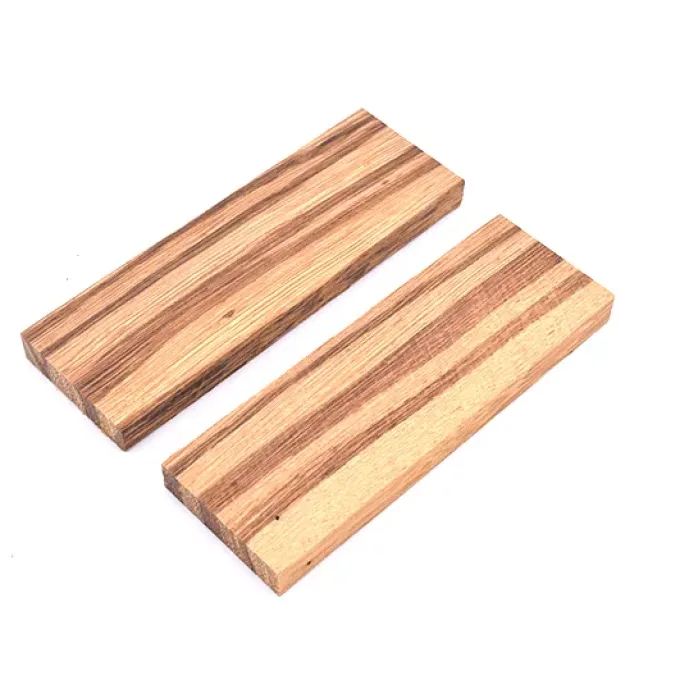
The primary economic value of the Marble persimmon lies in its premium timber, which is often called Andaman marble wood. This wood is highly prized for its striking dark streaks, which provide a unique marble-like appearance for high-end cabinetry and crafts.
Timber harvesting is strictly regulated to protect natural populations. The wood is dense, durable, and naturally resistant to rot, making it a sustainable choice for fine woodwork when sourced from appropriately managed plantation sites.
The fruits of Diospyros marmorata are edible but are not widely produced for commercial markets. They are mainly consumed locally, where their unique flavor and texture are appreciated by the local communities inhabiting their native range.
Propagation is primarily done through seeds. It is vital to plant the seeds immediately after extraction, as their viability decreases rapidly when exposed to air and drying conditions. This requires careful logistics during the harvesting season.
In addition to timber, some traditional medicinal uses exist for the leaves and bark of the tree. While commercial agriculture for fruit is not standard, the interest in this tree remains high among woodworkers and botanical collectors globally.