
Malabar ebony
Diospyros malabarica
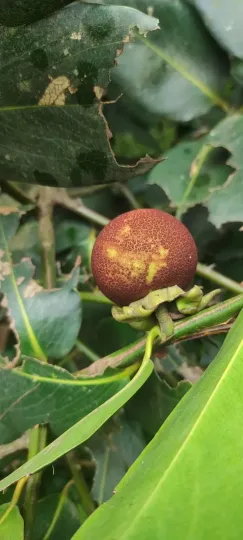
Description
Growing requirements
Malabar ebony (Diospyros malabarica) is a prominent member of the Ebenaceae family, widely recognized as an evergreen tree native to the tropical regions of Southeast Asia. It is often found in riverine forests and moist habitats throughout its natural range.
The tree thrives in environments characterized by high humidity and consistent tropical temperatures. It requires a stable climate and cannot withstand freezing conditions, which makes it suitable exclusively for tropical zones where it can reach its full potential height.
Optimal growth is observed in deep, nutrient-rich soils that offer excellent moisture retention while maintaining proper aeration. In agricultural settings, it is essential to ensure that the site is well-drained to prevent root suffocation during monsoon or heavy rain periods.
Cultivation practices involve regular monitoring of soil moisture and nutrient status. While the tree is quite resilient once established, providing adequate space for its spreading crown is necessary for maximum photosynthetic efficiency and fruit production.
Beyond its ecological value, the tree is historically significant for its economic output. The fruit pulp is rich in tannins and has been traditionally used for tanning leather and dyeing fishing nets, while the timber is valued for its durability.
Yield
The tree produces globular fruits that ripen into a brownish-orange color. The yield depends significantly on the tree's maturity and the local environmental conditions, with mature specimens providing regular annual crops.
Main diseases and pests
Fungal pathogens associated with high humidity are the primary disease concern for Diospyros malabarica. Maintaining tree health through proper spacing and regular thinning of branches is the best preventive measure against such outbreaks.
Insect pests such as aphids and leaf-eating beetles can occasionally impact tree vitality. Integrated pest management strategies, focusing on biological controls, are typically recommended to manage these populations without disrupting the local ecosystem.