
Large-leaved persimmon
Diospyros macrophylla
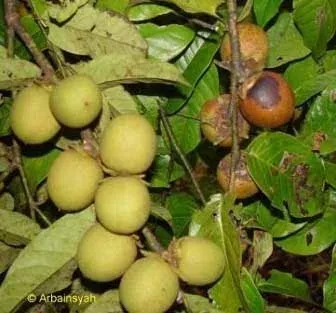
Description
Growing requirements
Large-leaved persimmon (Diospyros macrophylla) is a member of the Ebenaceae family, native to the tropical regions of Southeast Asia. This evergreen tree is well-adapted to humid forest environments where year-round warmth is guaranteed.
The tree earns its specific name from its notably large, leathery leaves that provide a lush and dense canopy. In its natural habitat, it can grow into a significant tree, making it an imposing species in tropical landscapes.
Climatic requirements are strict: the tree demands consistently high temperatures and high atmospheric humidity. Frost or prolonged cold spells are detrimental, which restricts its cultivation outdoors to tropical and equatorial zones, or climate-controlled glasshouses.
Regarding soil, Diospyros macrophylla thrives in deep, fertile, and well-draining soil. It is intolerant of waterlogged conditions, as poor drainage often leads to physiological distress and root system degradation in the long term.
Maintenance involves regular moisture management and a balanced nutrient schedule. During the growing season, moderate fertilization is recommended to support the development of its signature large foliage and to maintain the plant's structural integrity.
Yield
The primary economic significance of this species lies in its edible fruit, which is highly appreciated in its native range. The fruits offer nutritional benefits, being rich in vitamins and minerals typical of the Diospyros genus.
Yield capacity is influenced by tree maturity and the cultivation environment. Proper pruning is essential not only for harvesting purposes but also to improve air circulation and sunlight penetration, which directly boosts fruit set and quality.
Additionally, the wood of Diospyros macrophylla is noteworthy for its density and quality. Members of the Ebenaceae family are often sought after for their dark, durable timber, which is utilized in fine woodworking and furniture production.
For ornamental purposes, the tree is favored in tropical landscaping. Its attractive, large leaves and stately form make it an excellent choice for botanical collections, providing both visual appeal and a unique tropical aesthetic.
Long-term planning is required for both fruit and timber production, as the tree grows relatively slowly. Managed plantations focusing on these trees require patience but reward the grower with high-quality, specialized forest products.
Main diseases and pests
Common threats to Diospyros macrophylla include fungal leaf spots, which thrive in high-humidity environments. If left unmanaged, these infections can cause premature leaf drop and reduce the overall vigor of the tree.
Pests such as scale insects and mealybugs are frequently observed feeding on the sap. These pests can cluster on stems and leaf undersides, potentially weakening the plant and encouraging the growth of sooty mold due to honeydew secretions.
Root-rot pathogens are a significant concern, often triggered by overwatering or soil compaction. Proper irrigation practices are the most effective method for prevention, ensuring the root zone remains aerobic and healthy.
Integrated pest management (IPM) strategies are recommended for commercial and botanical garden settings. Regular monitoring ensures that any outbreaks of pests or diseases are identified early before they spread to other parts of the canopy.
Sanitation practices, such as removing fallen leaves and pruning dead or diseased twigs, are crucial. Maintaining a clean cultivation environment significantly reduces the inoculum pressure of various pathogens that might affect the tree.