
Large-fruited persimmon
Diospyros macrocarpa
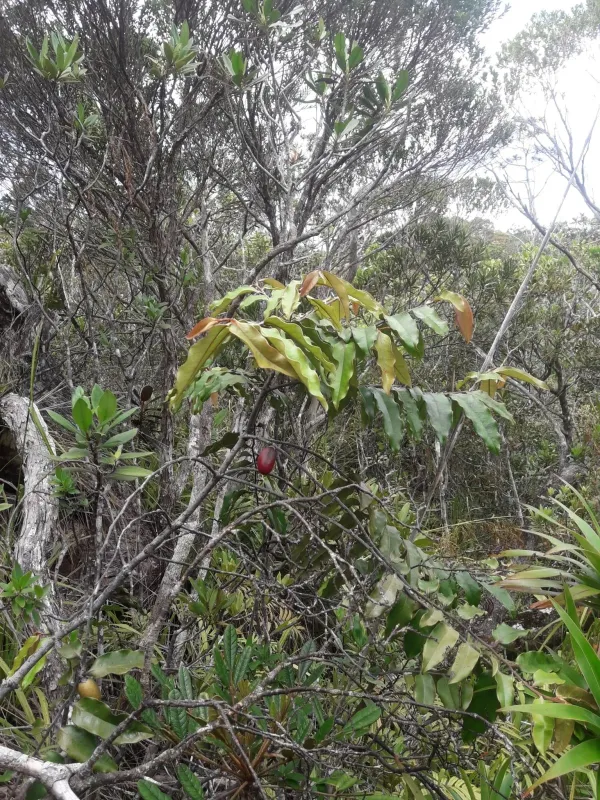
Description
Growing requirements
The large-fruited persimmon (Diospyros macrocarpa) belongs to the Ebenaceae family. It is a significant deciduous fruit tree recognized for its substantial fruit size and nutritional density, making it a desirable crop for warm-temperate regions.
Originating from the subtropical zones of Southeast Asia, this species thrives in environments characterized by long, warm growing seasons. It is highly sensitive to severe frost, which limits its commercial cultivation to specific geographical niches.
Success in cultivation requires sites with full solar exposure to ensure proper carbohydrate accumulation in fruits. The soil must be deep, well-draining, and rich in organic matter to support the tree’s intensive metabolic needs during the fruit-set phase.
Agronomic practices include irrigation management during dry spells and the application of fertilizers high in potassium to enhance fruit quality. Pruning is essential to maintain structural integrity and maximize sunlight penetration into the canopy.
The fruit is widely utilized in fresh produce markets and for artisanal drying processes. Due to the high sugar content and unique texture of the fruit, this crop offers significant economic potential for specialized fruit growers.
Main diseases and pests
The crop is prone to various fungal infections, particularly leaf spot and fruit rot, triggered by prolonged damp conditions. Preventive maintenance, such as maintaining proper orchard hygiene and pruning, is crucial for mitigating disease outbreaks.
Pest pressures often include scale insects and mites that target the foliage and young fruitlets. An integrated pest management approach, utilizing both biological controls and targeted pesticide applications, is recommended for sustainable crop health.